

19th Century Gilt Brass & Lacquer Jardinière
19th Century Gilt Brass & Lacquer Jardinière
French
circa 1870 - 1880
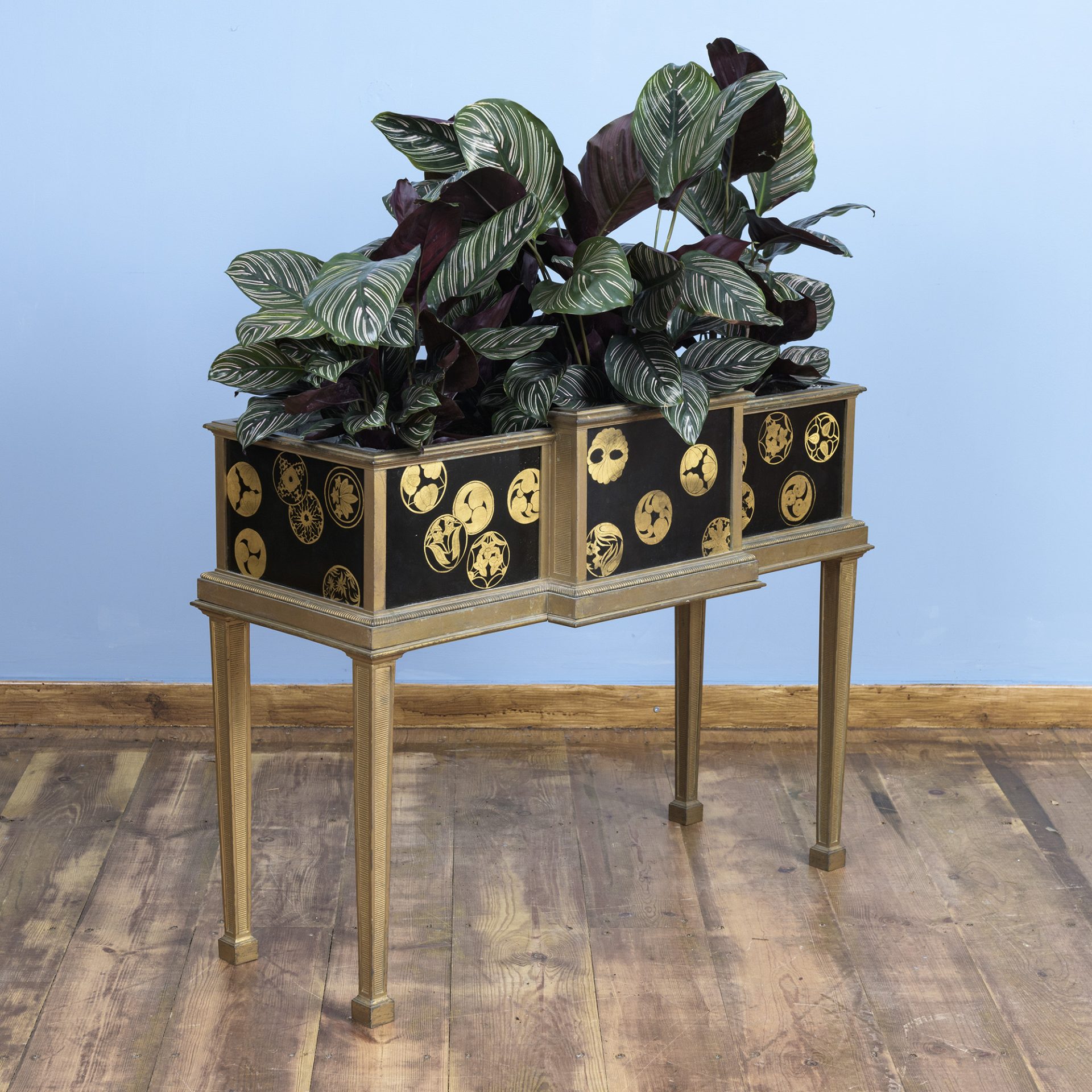
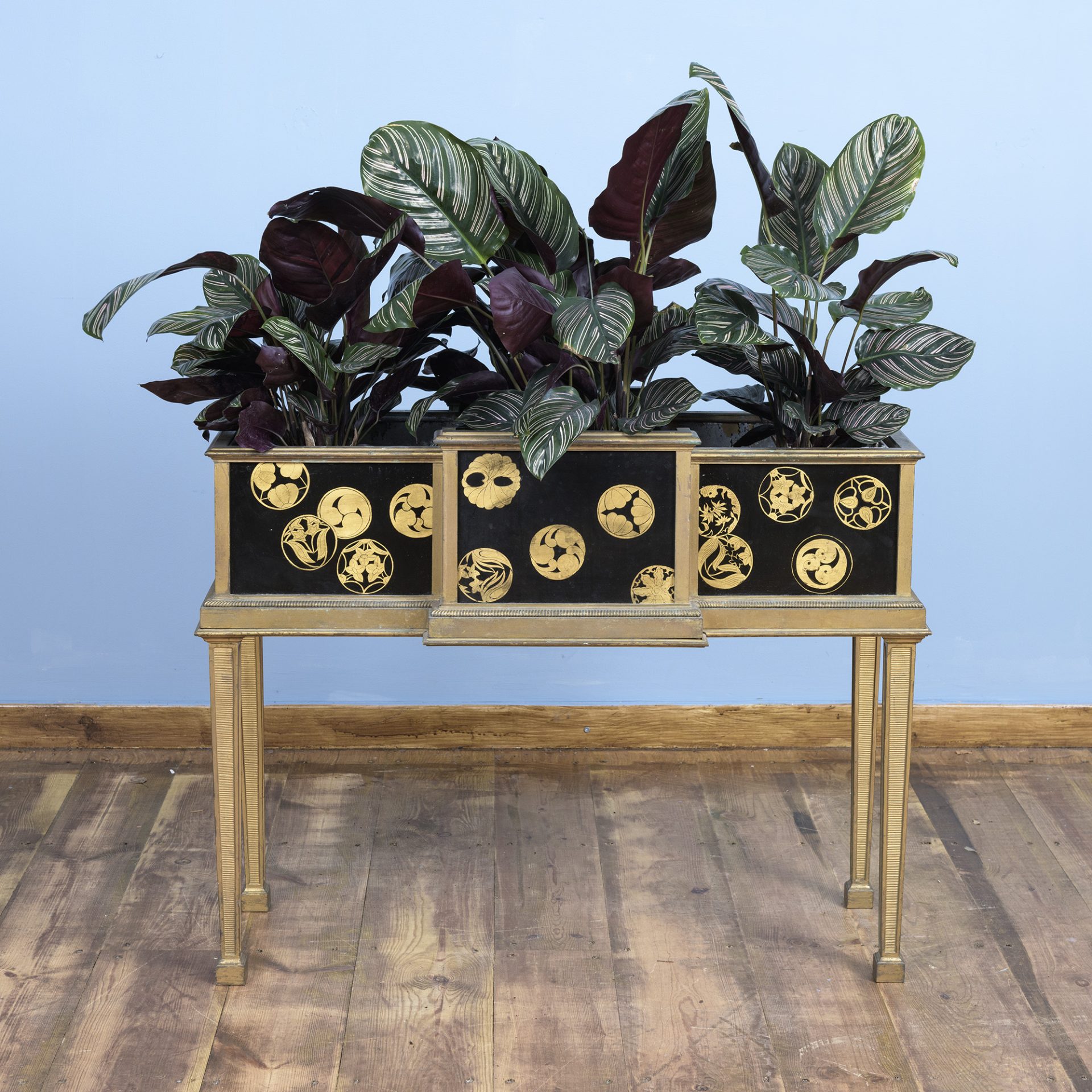
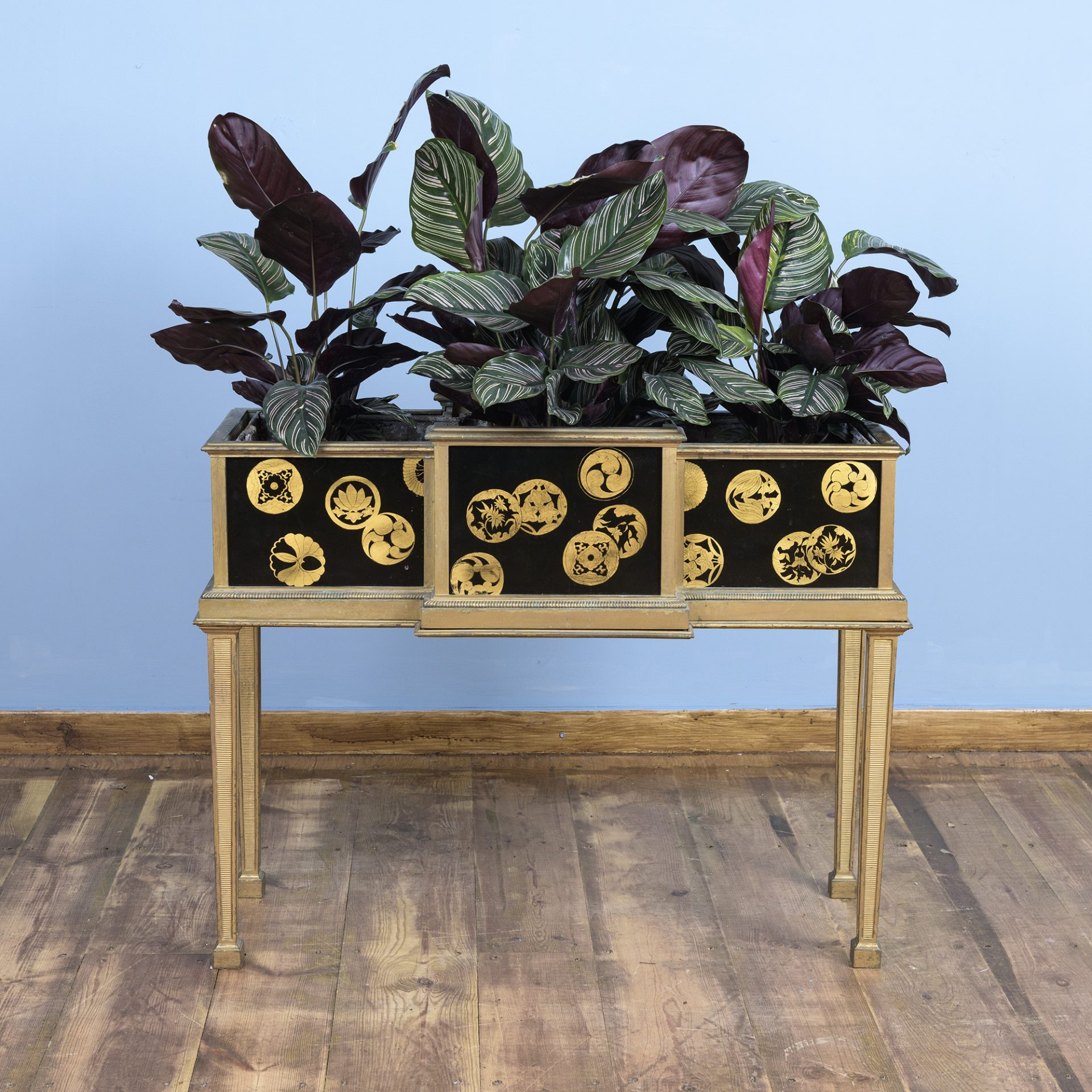
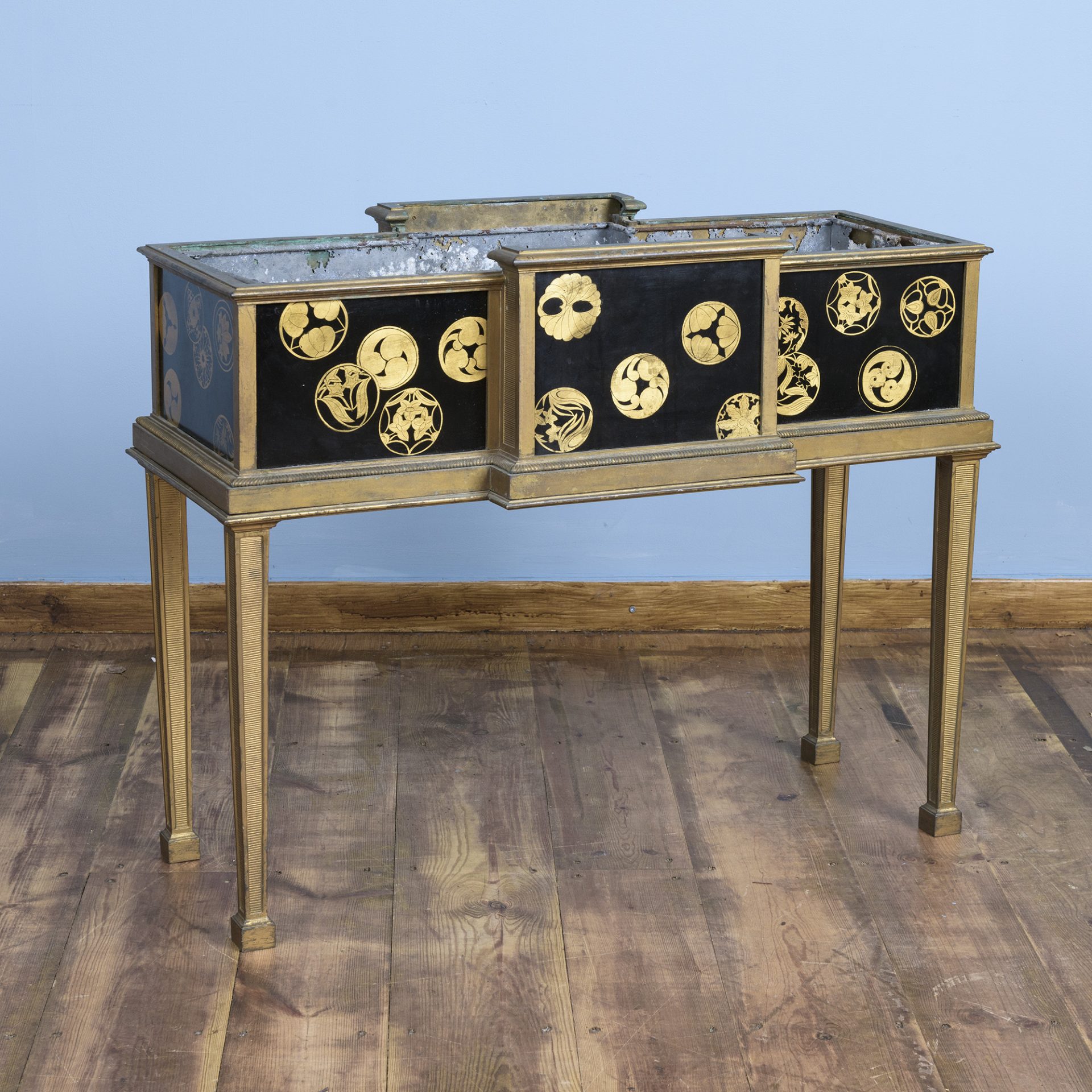
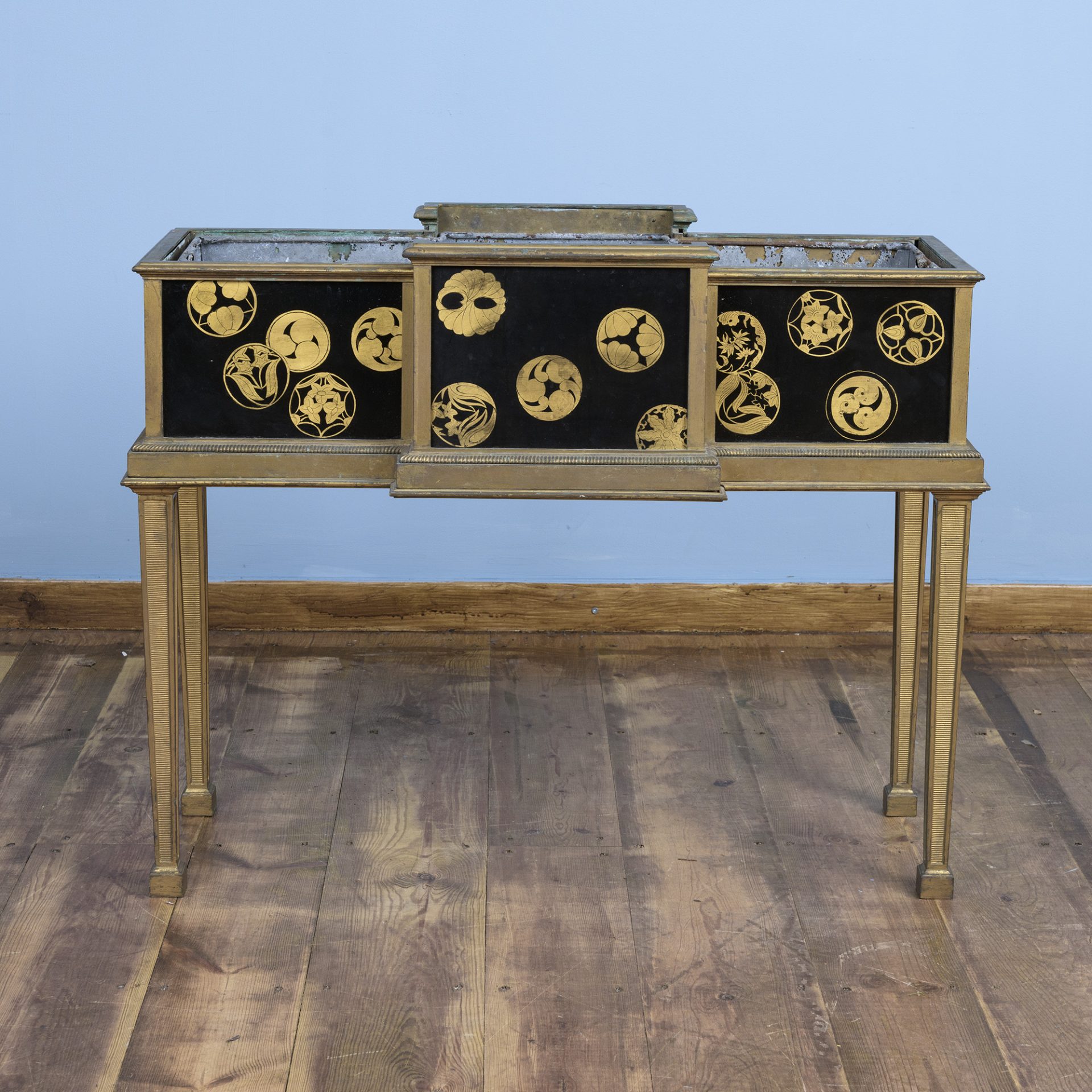
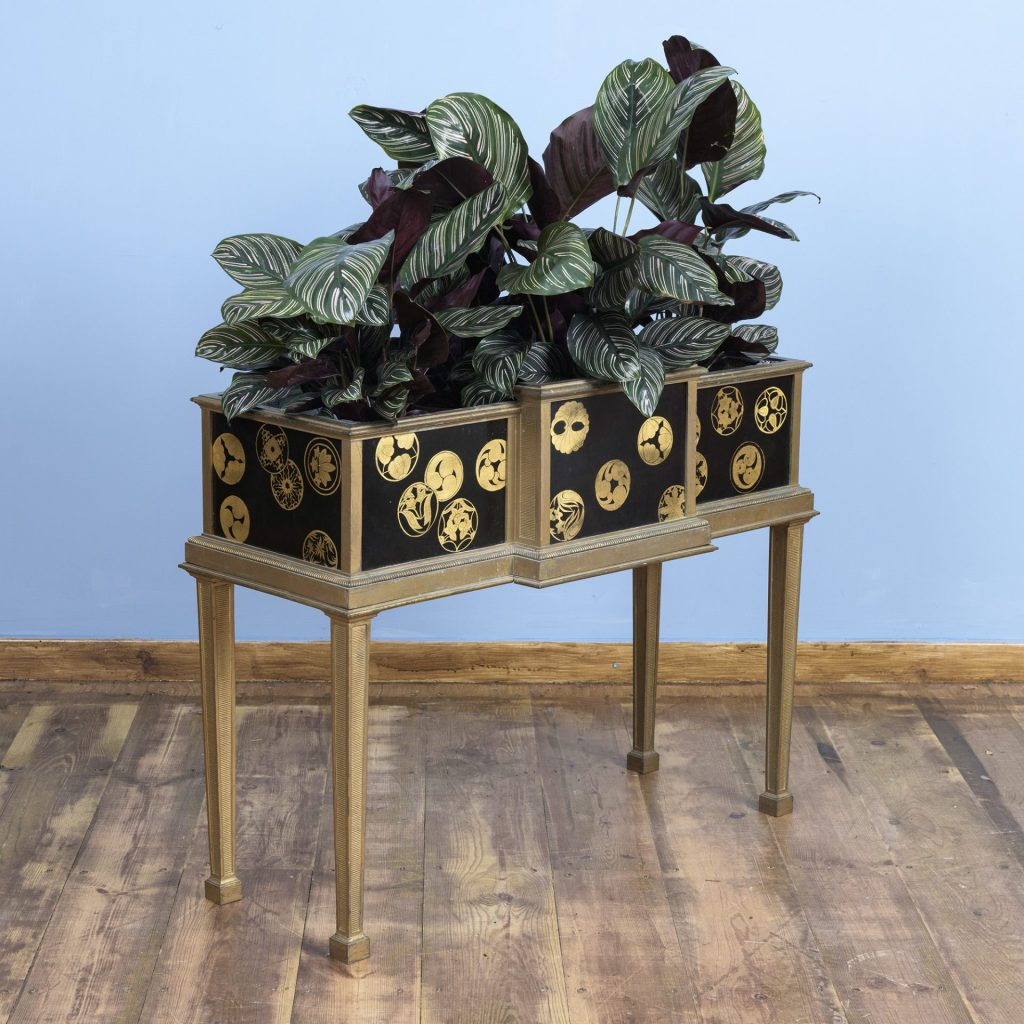
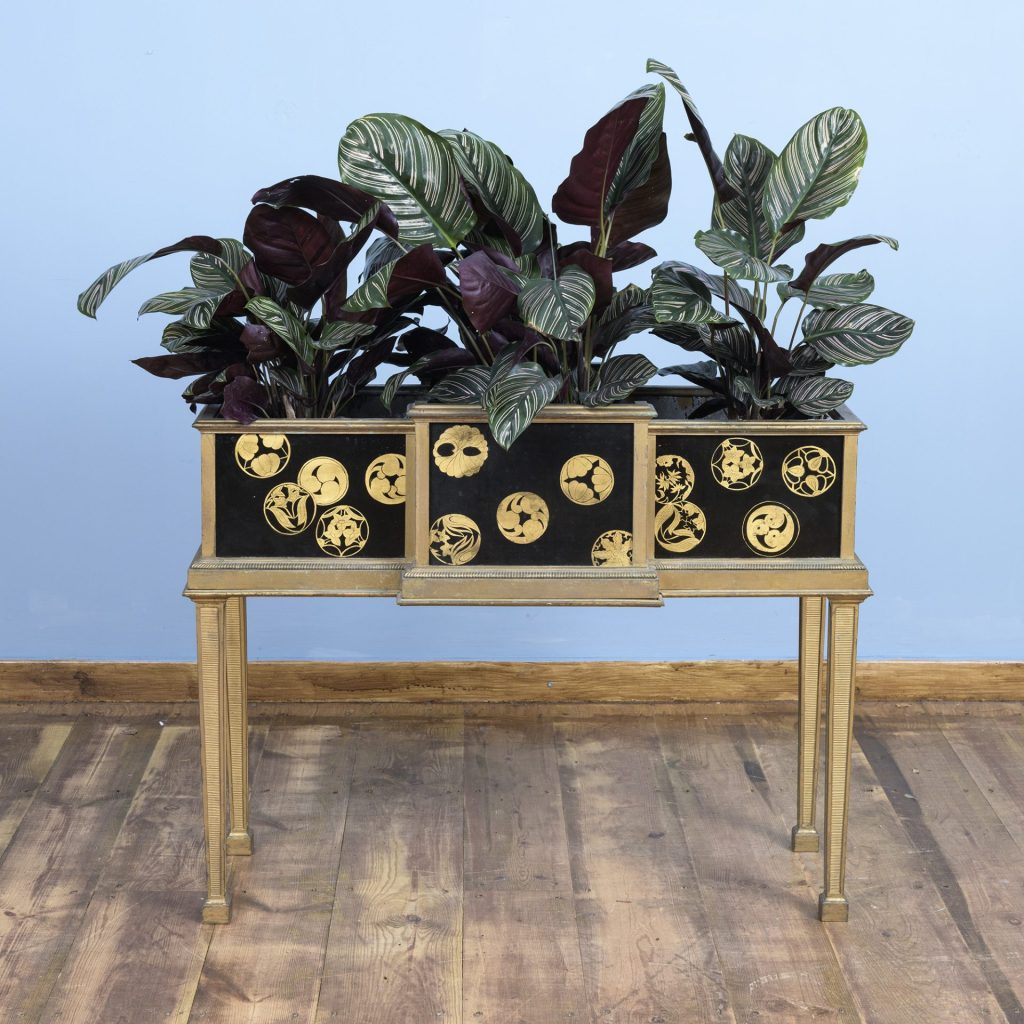
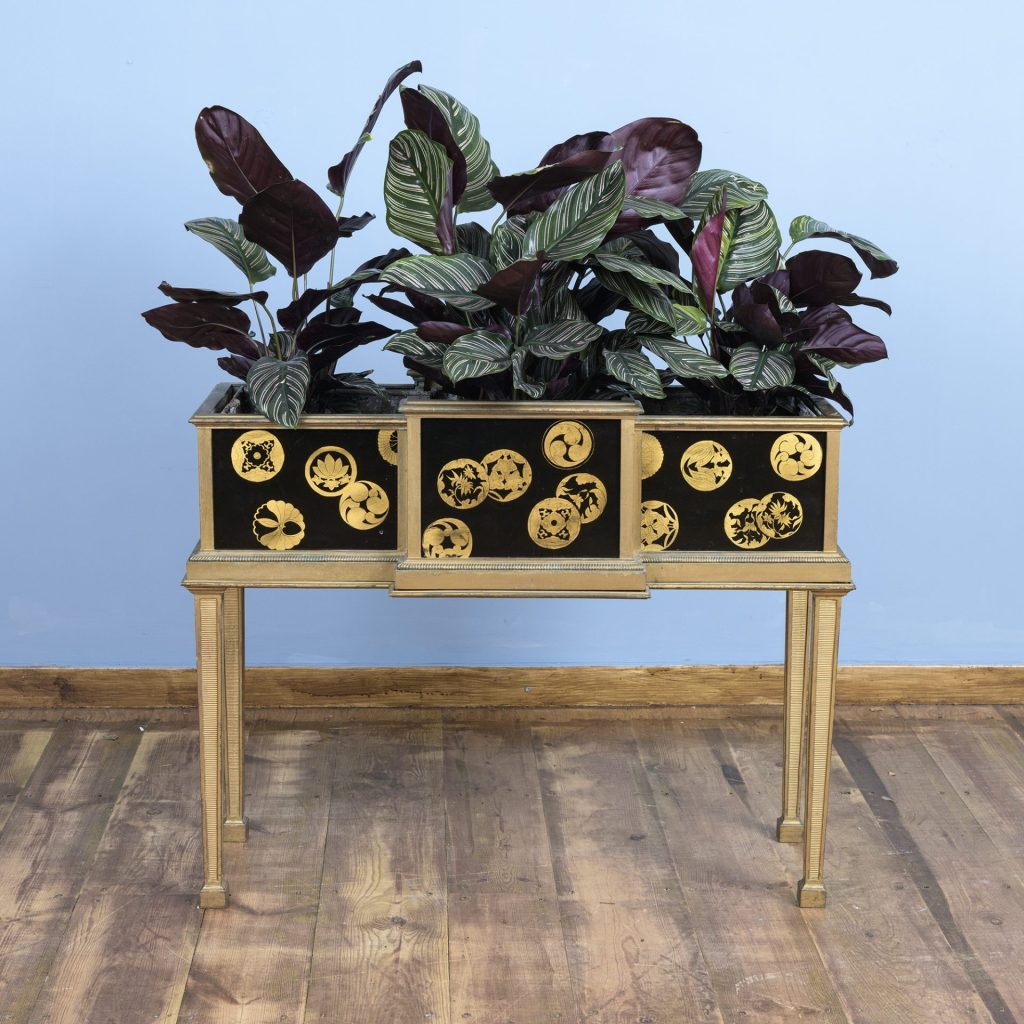
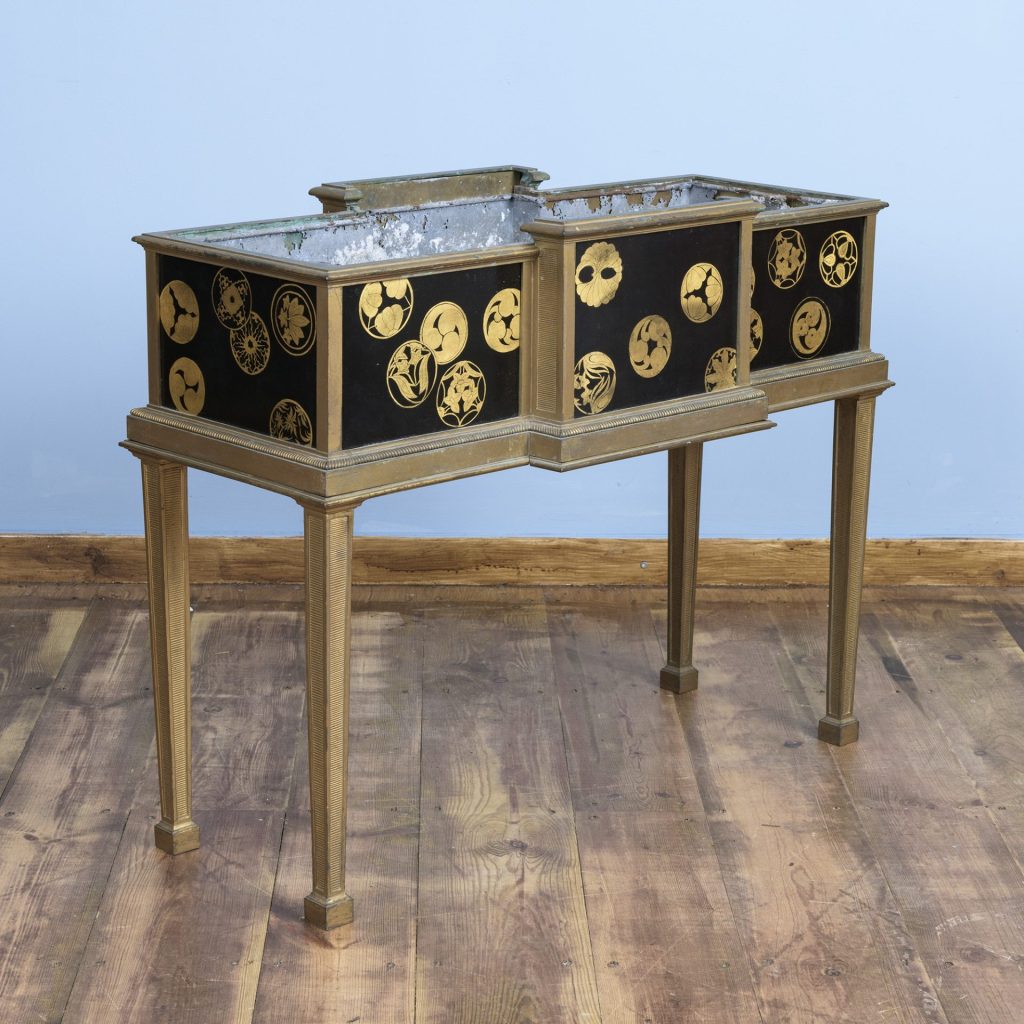
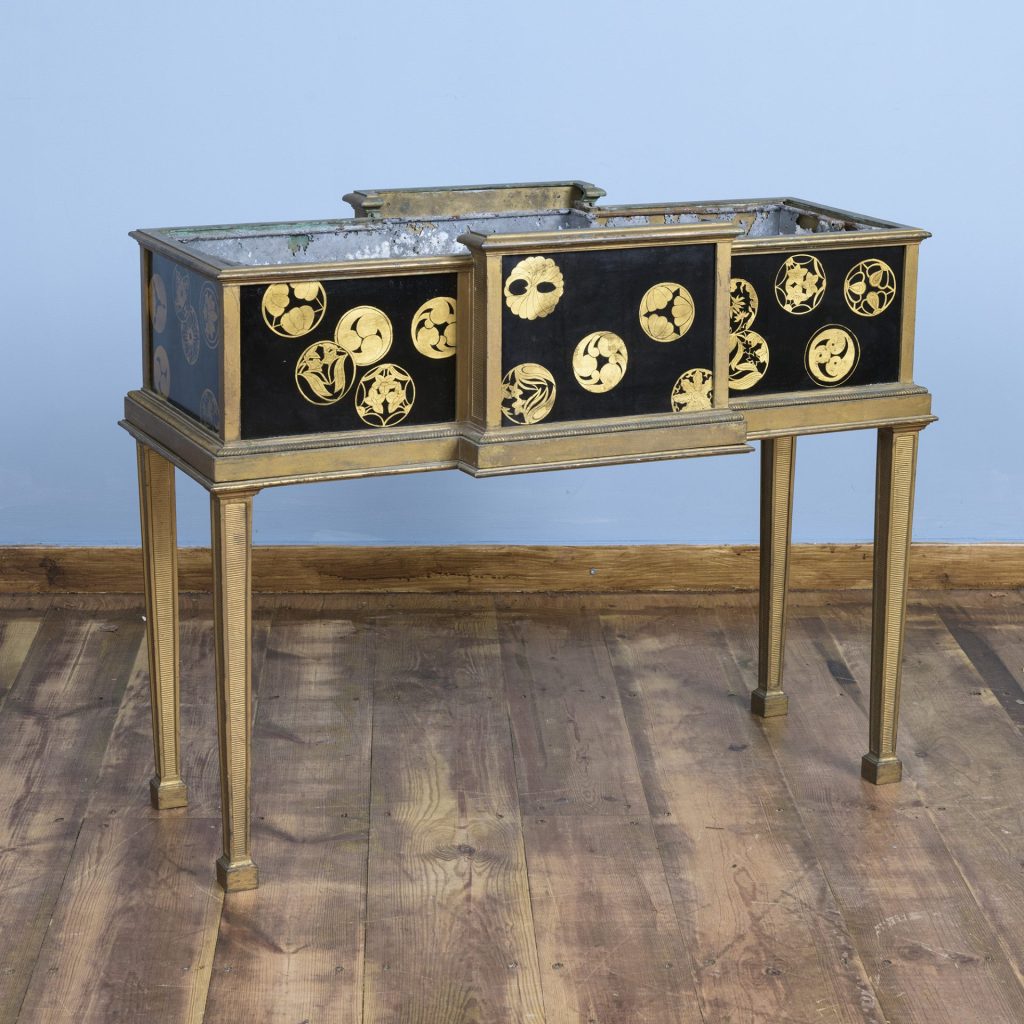
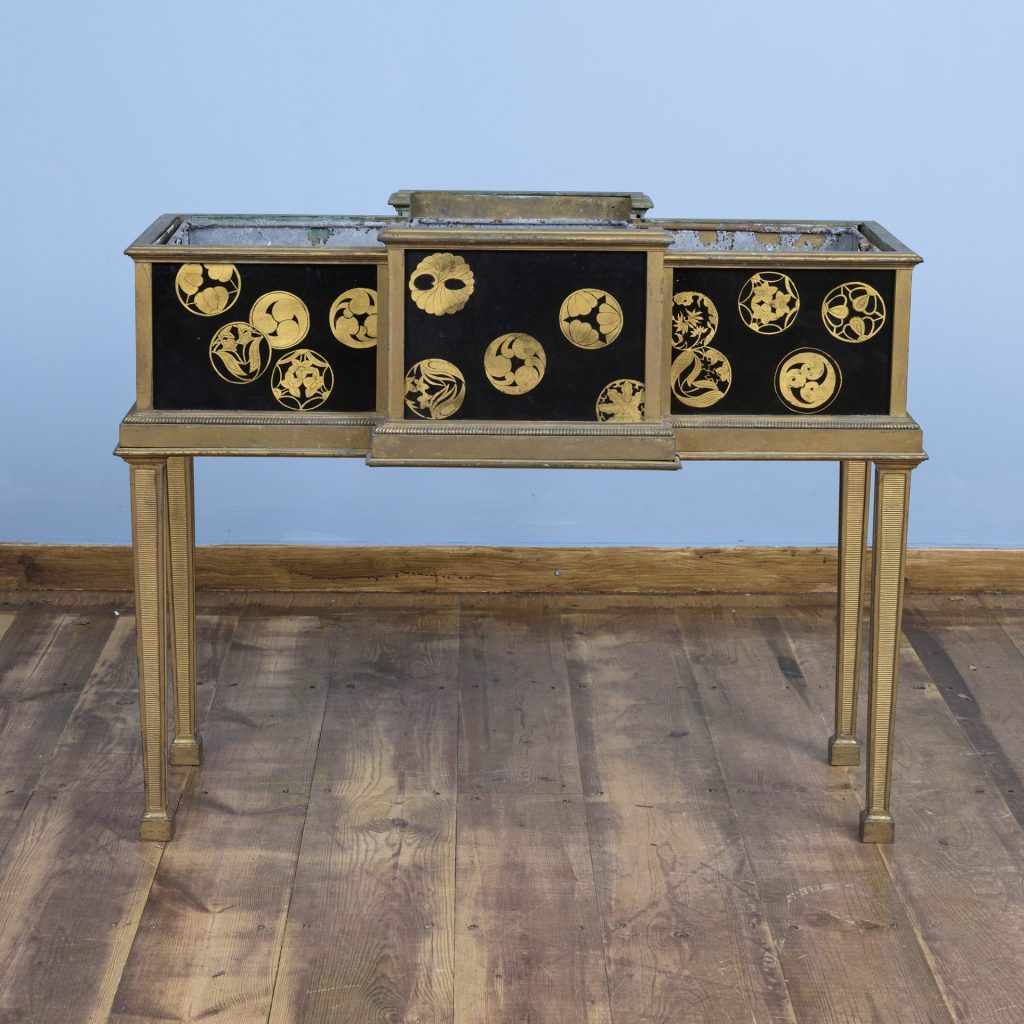
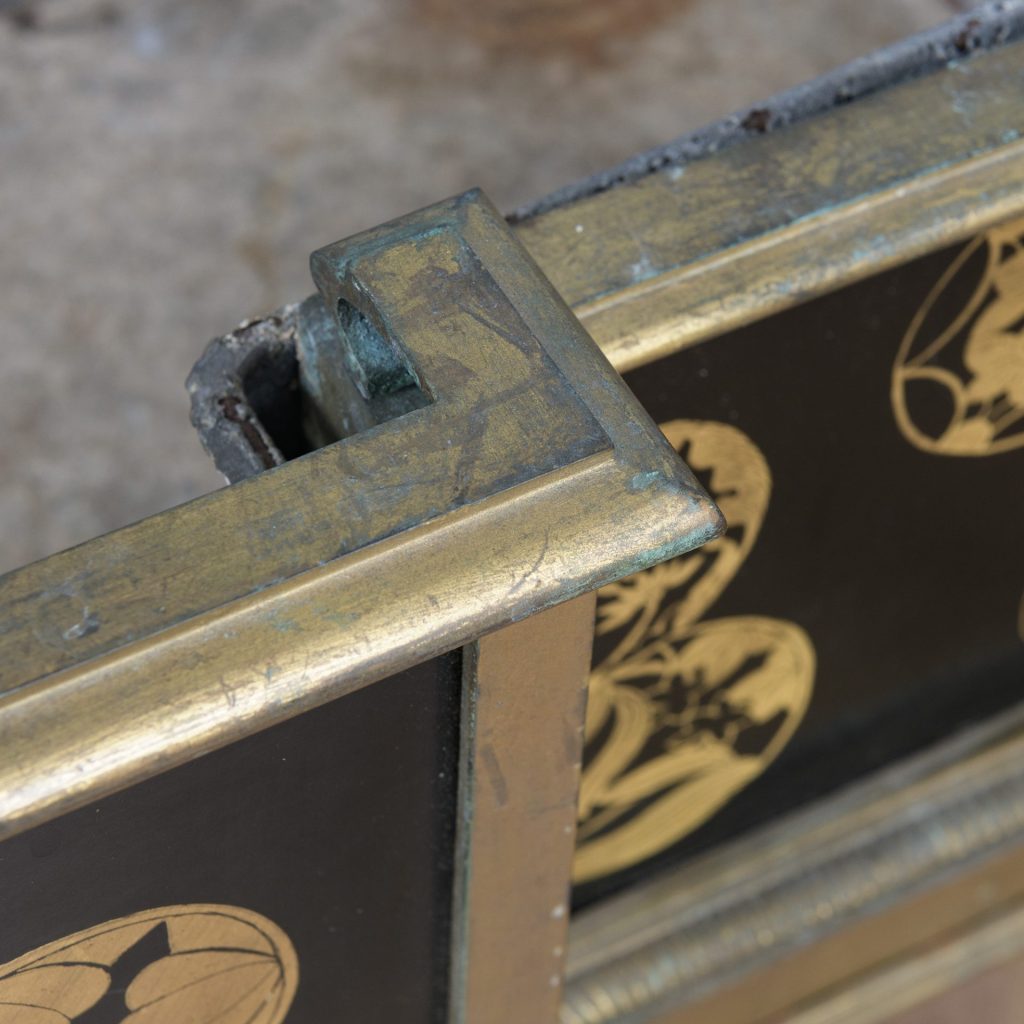
A doubled sided break front free standing flower stand (jardinière).
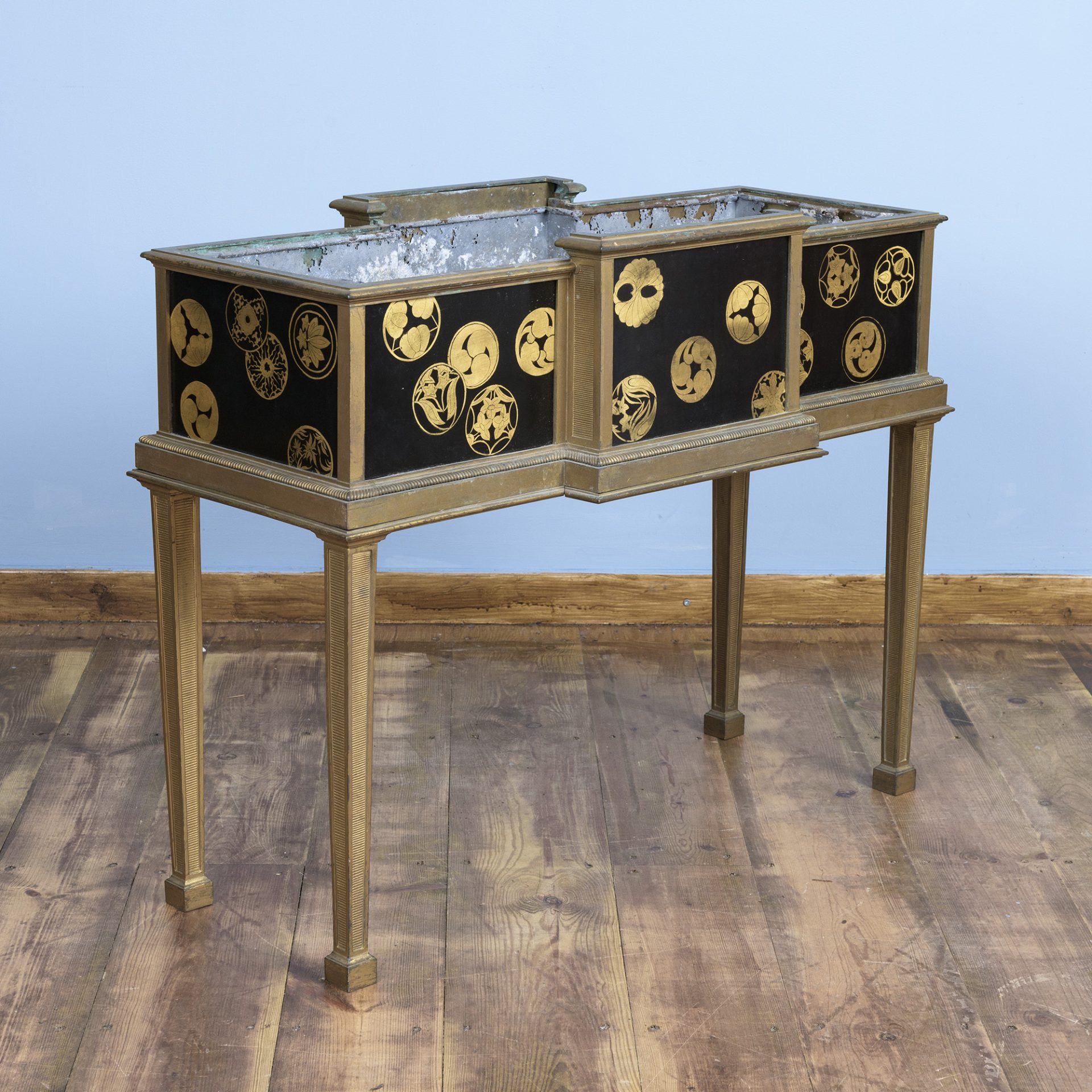
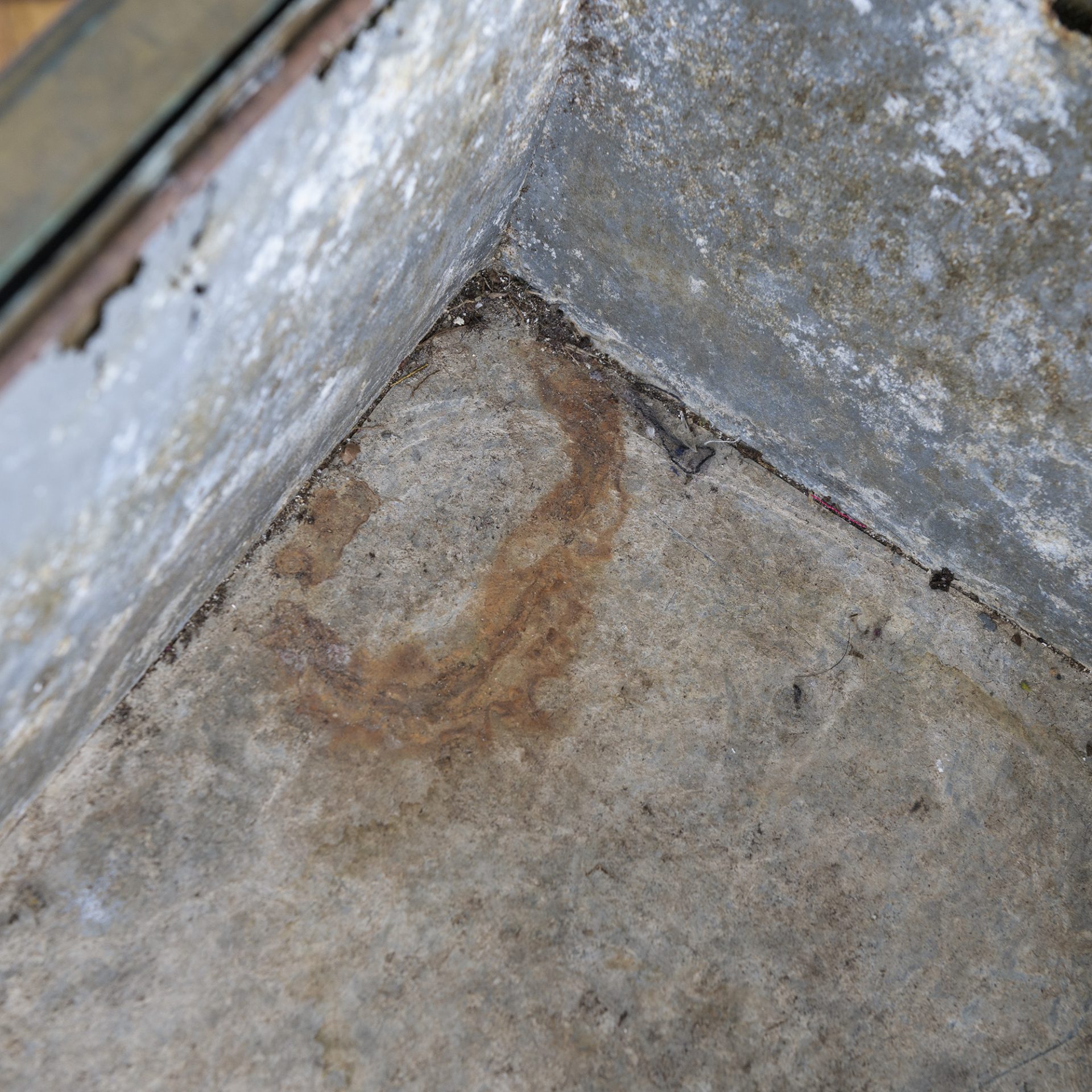
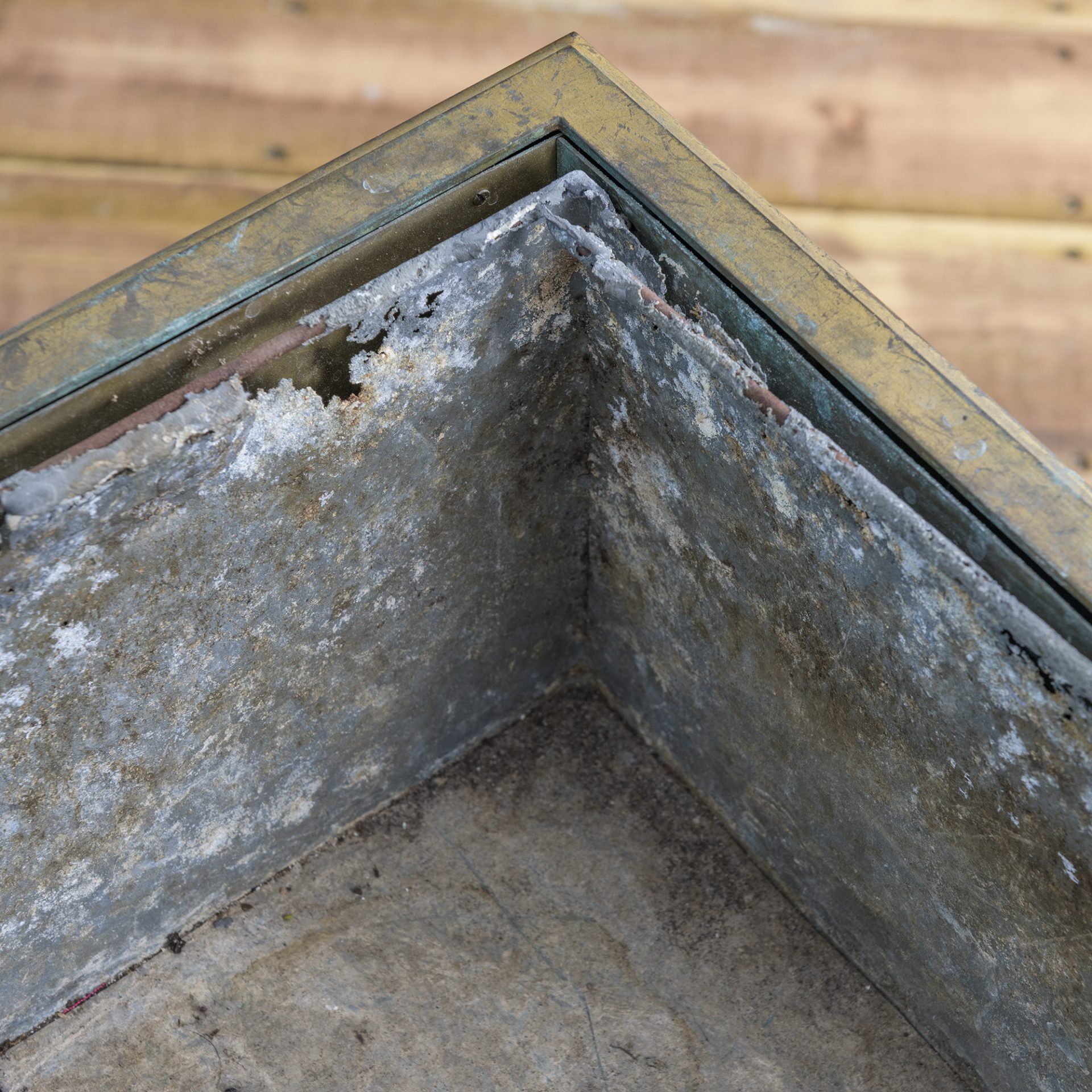
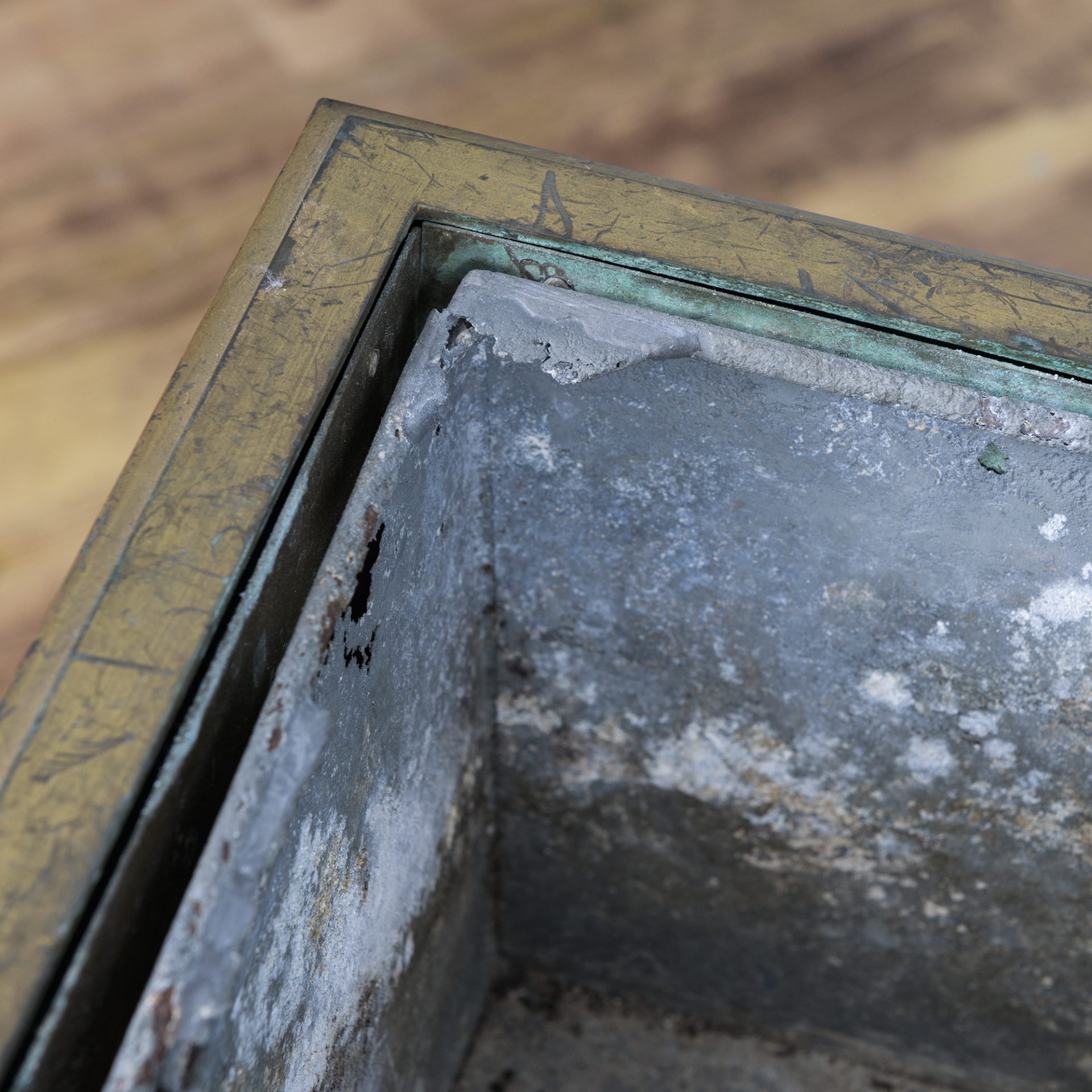
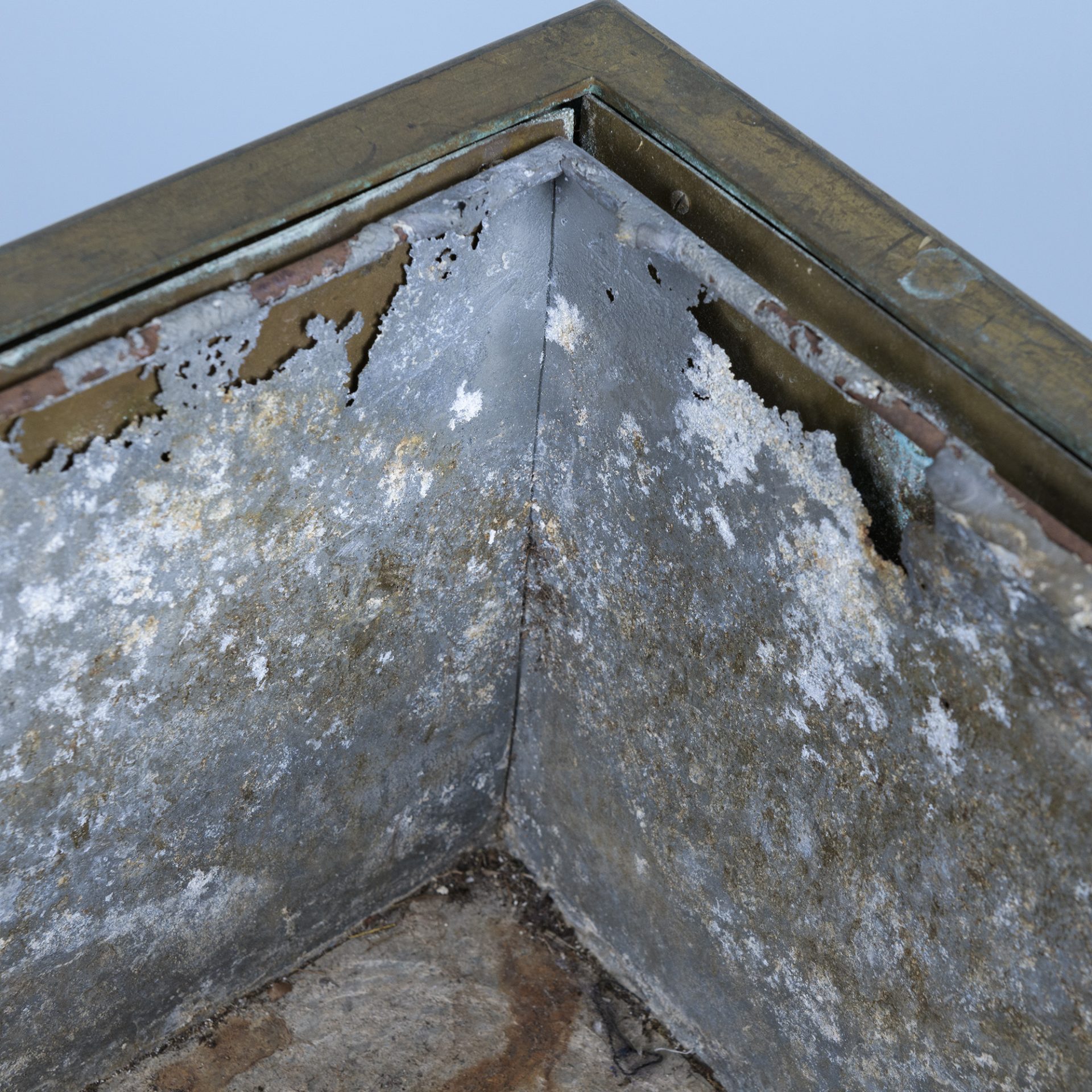
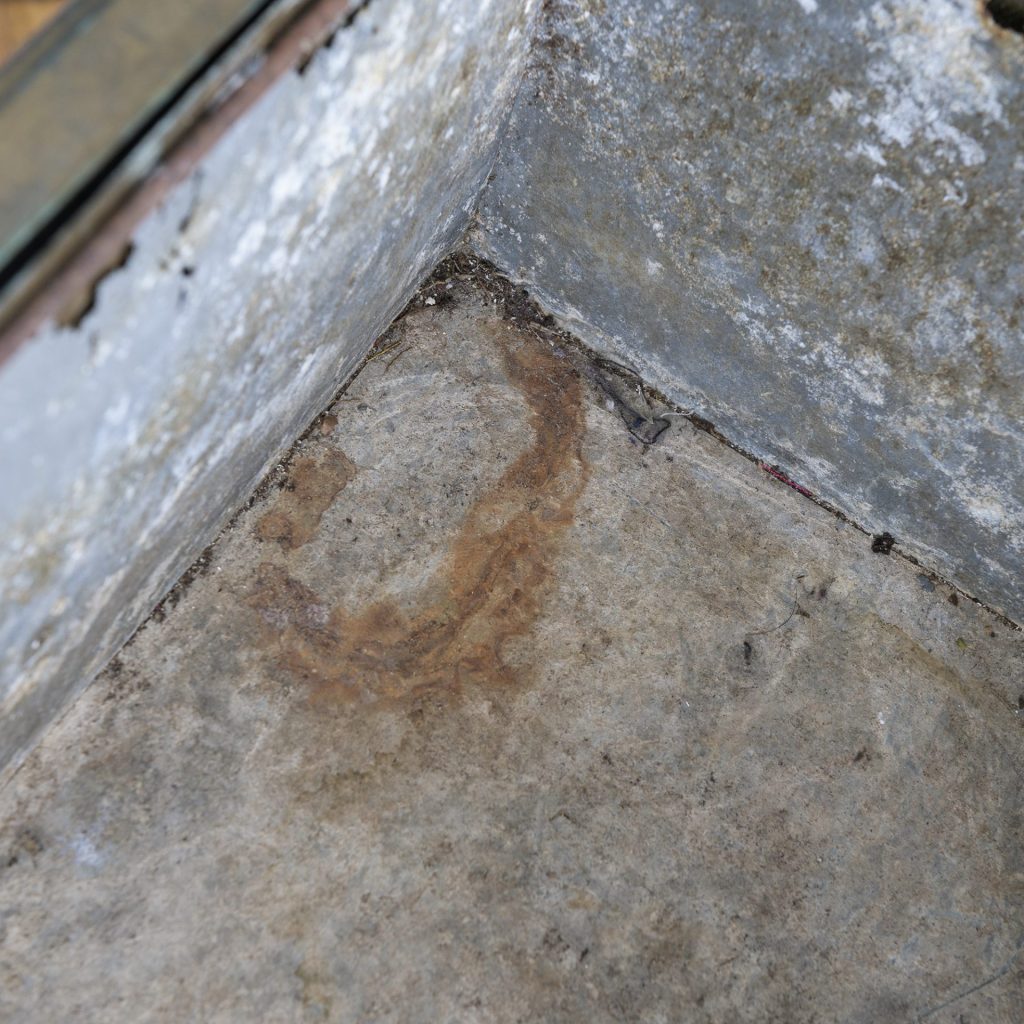
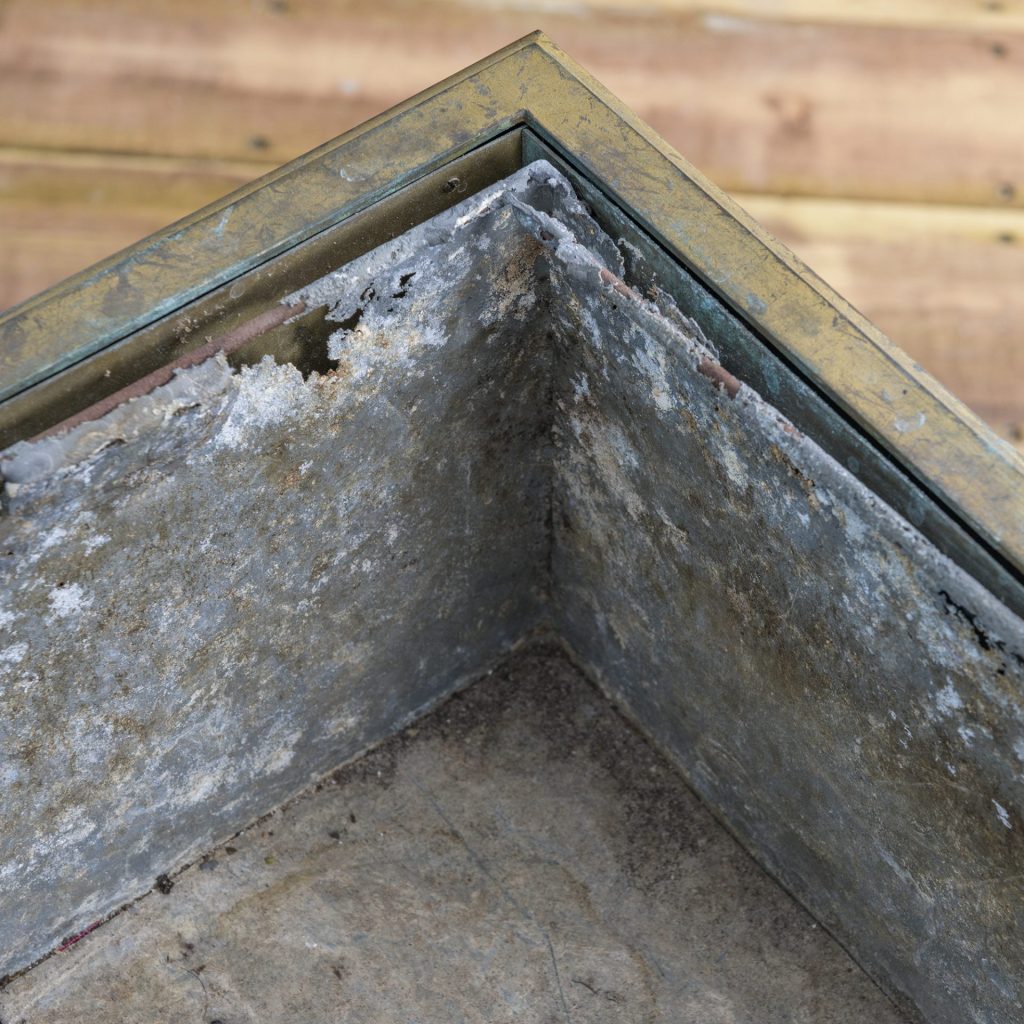
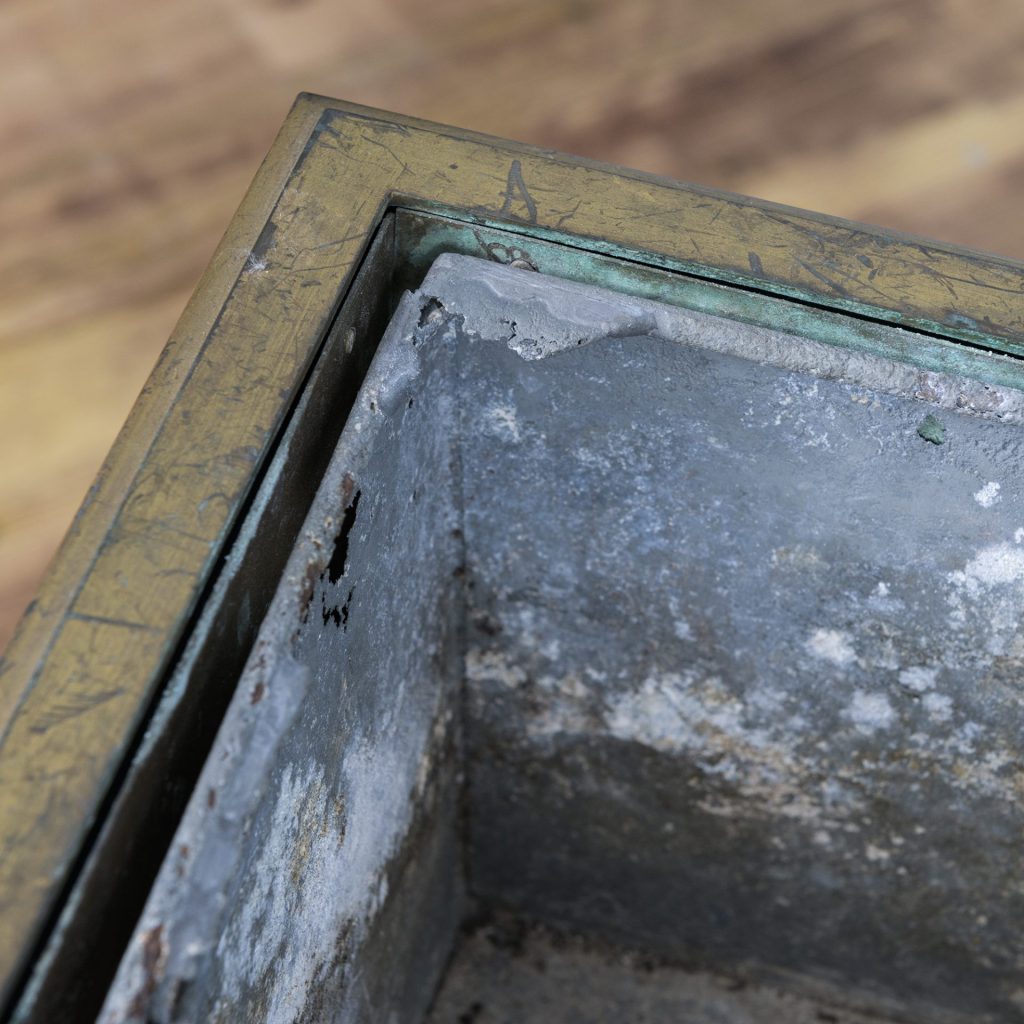
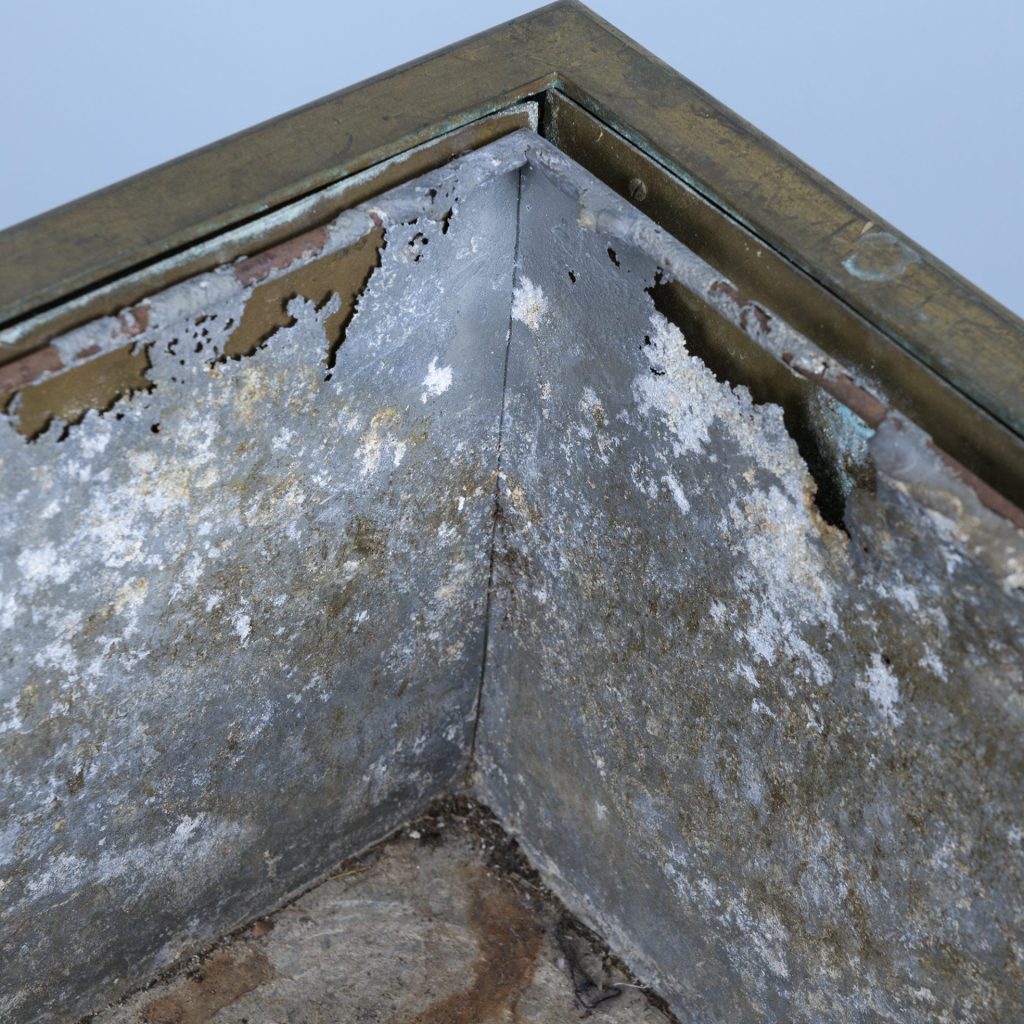
The stylish indoor jardinière was almost certainly made in Paris and influenced by the 1867 Paris Exhibition Universelle. The flower stand retains its original retractable zinc liner and sits inside the top section.
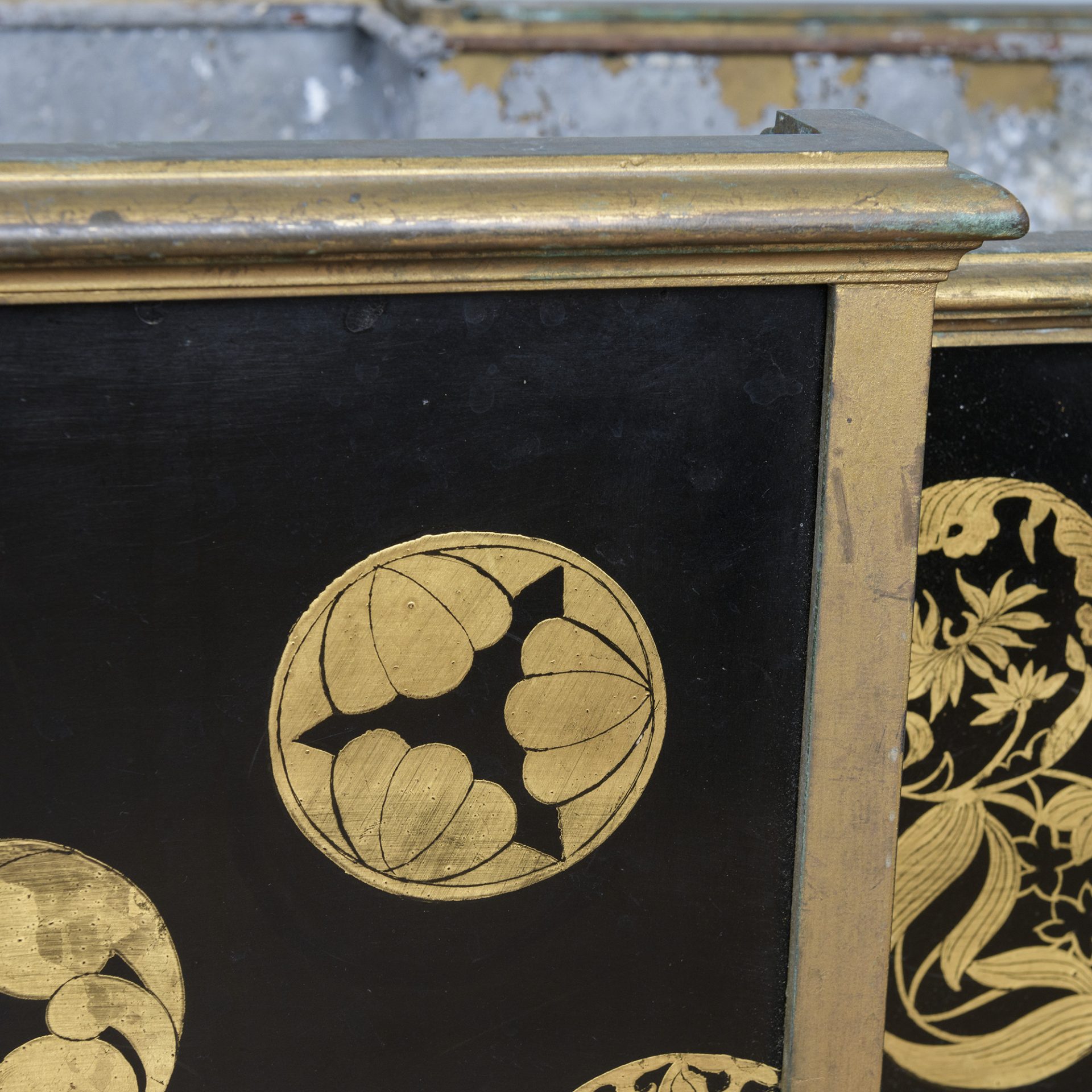
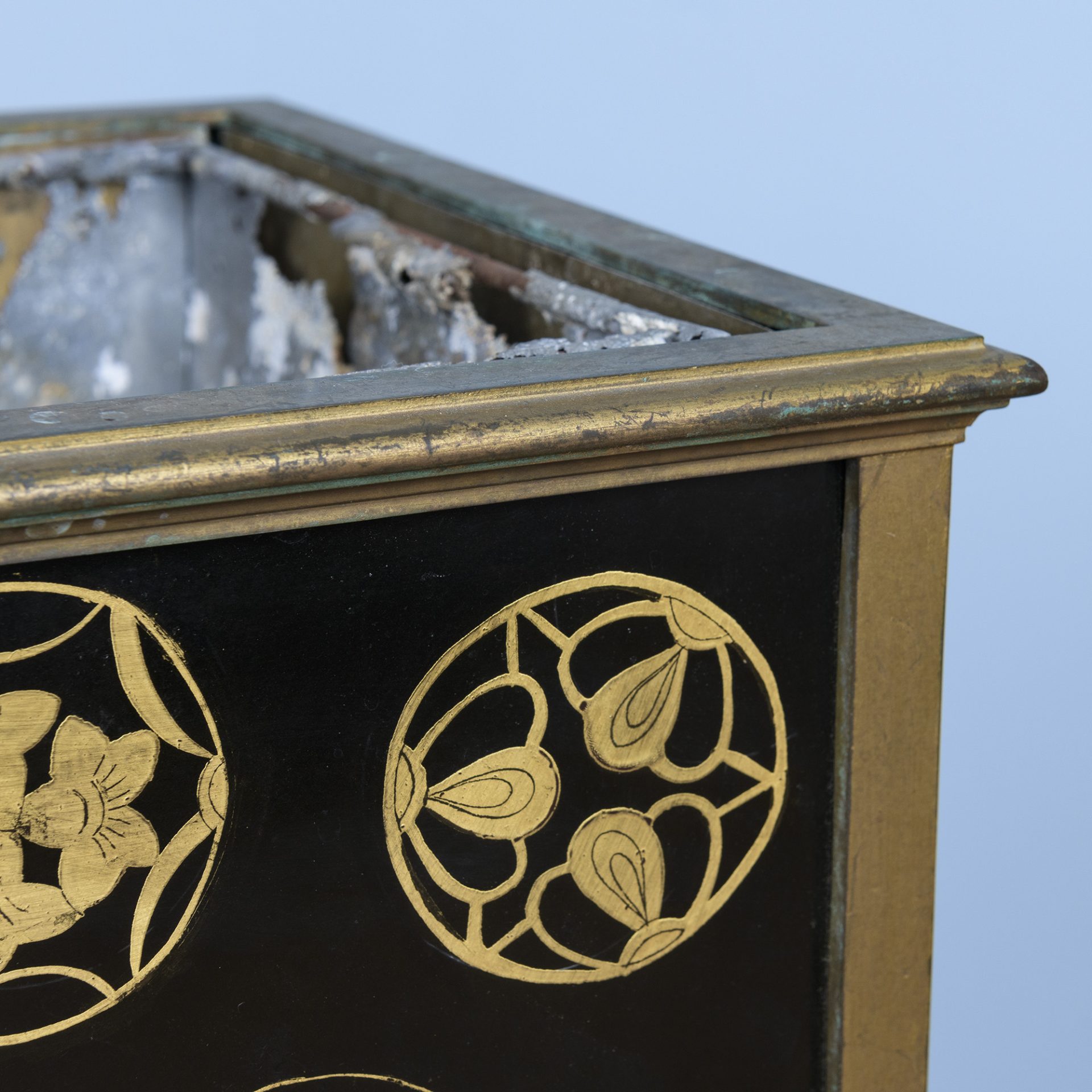
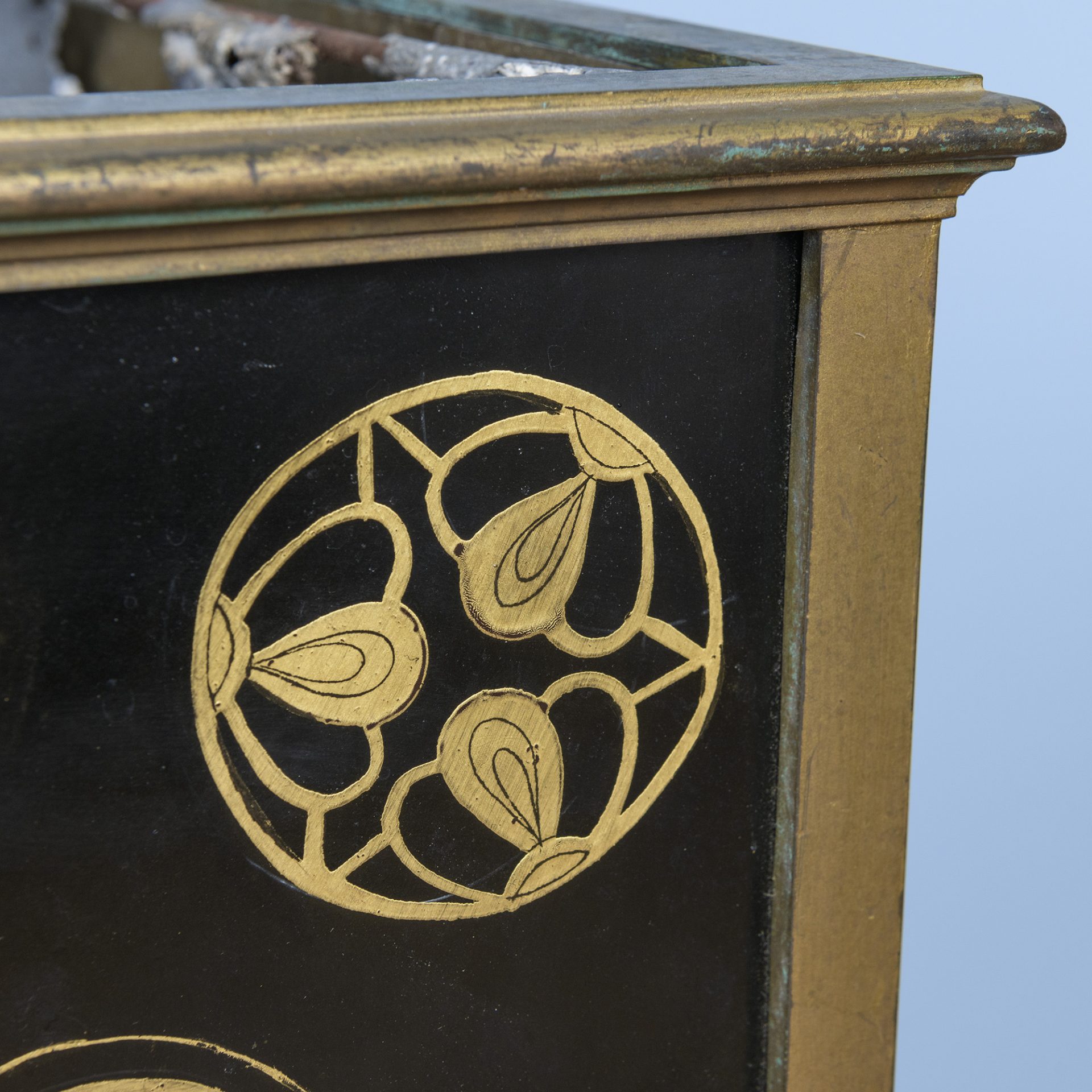
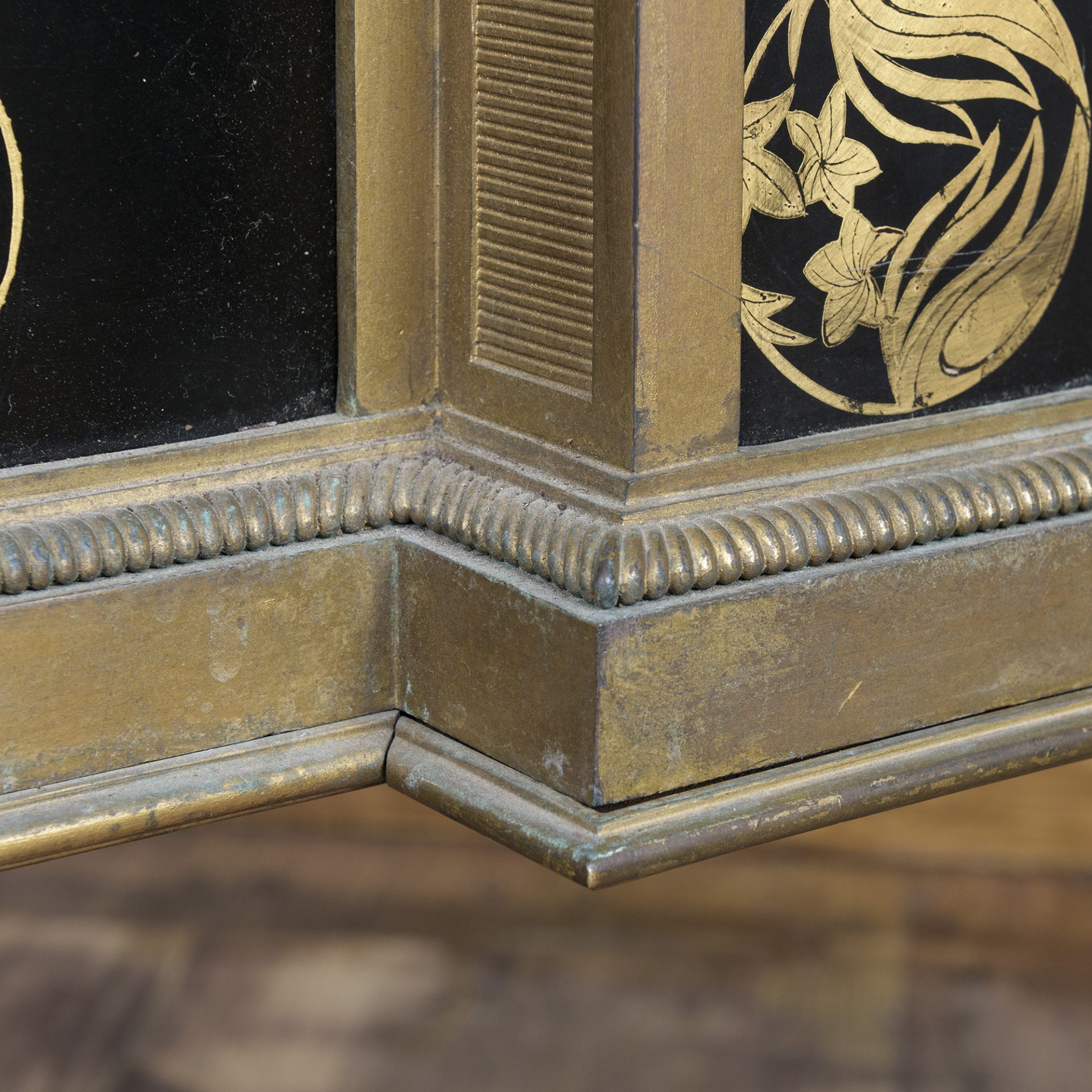
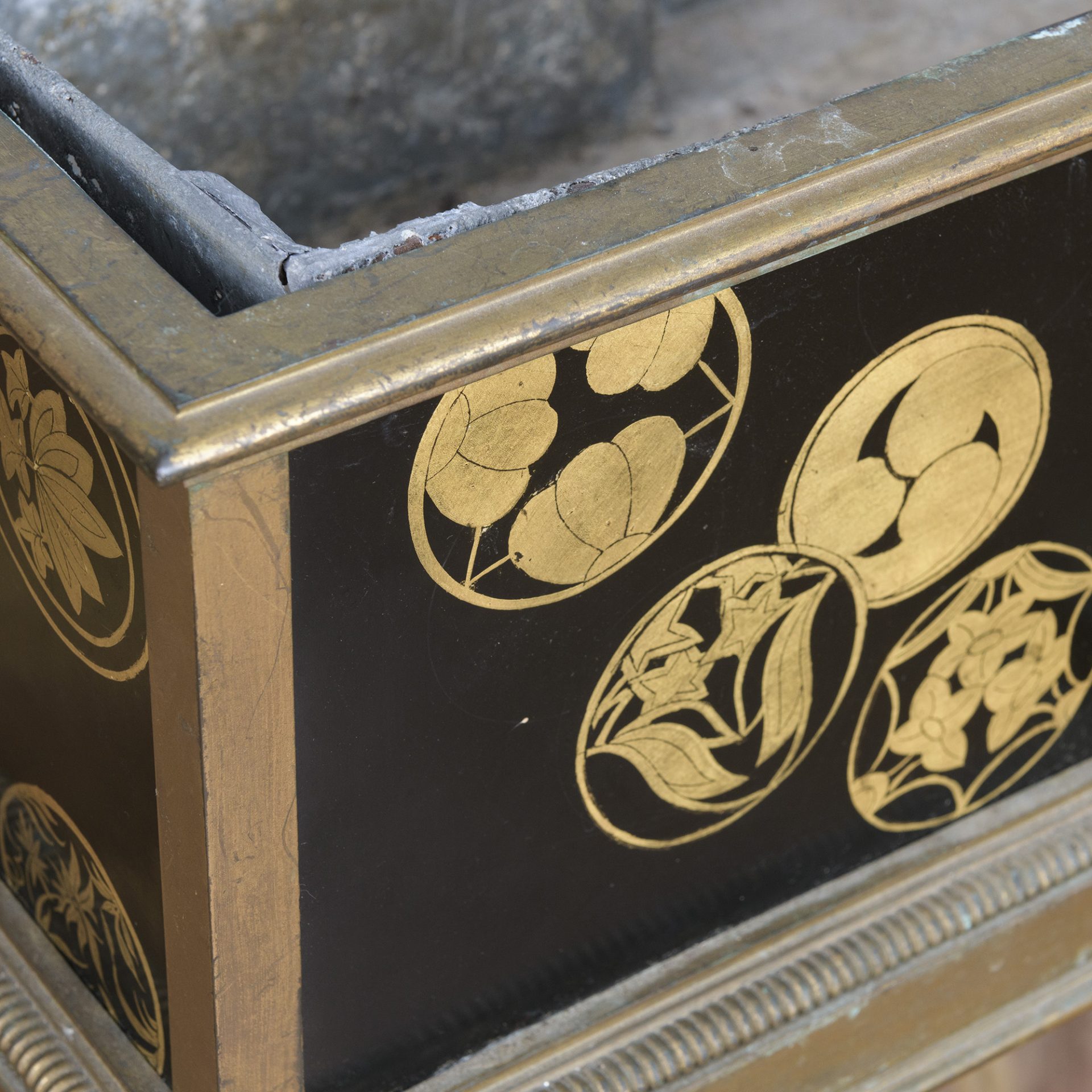
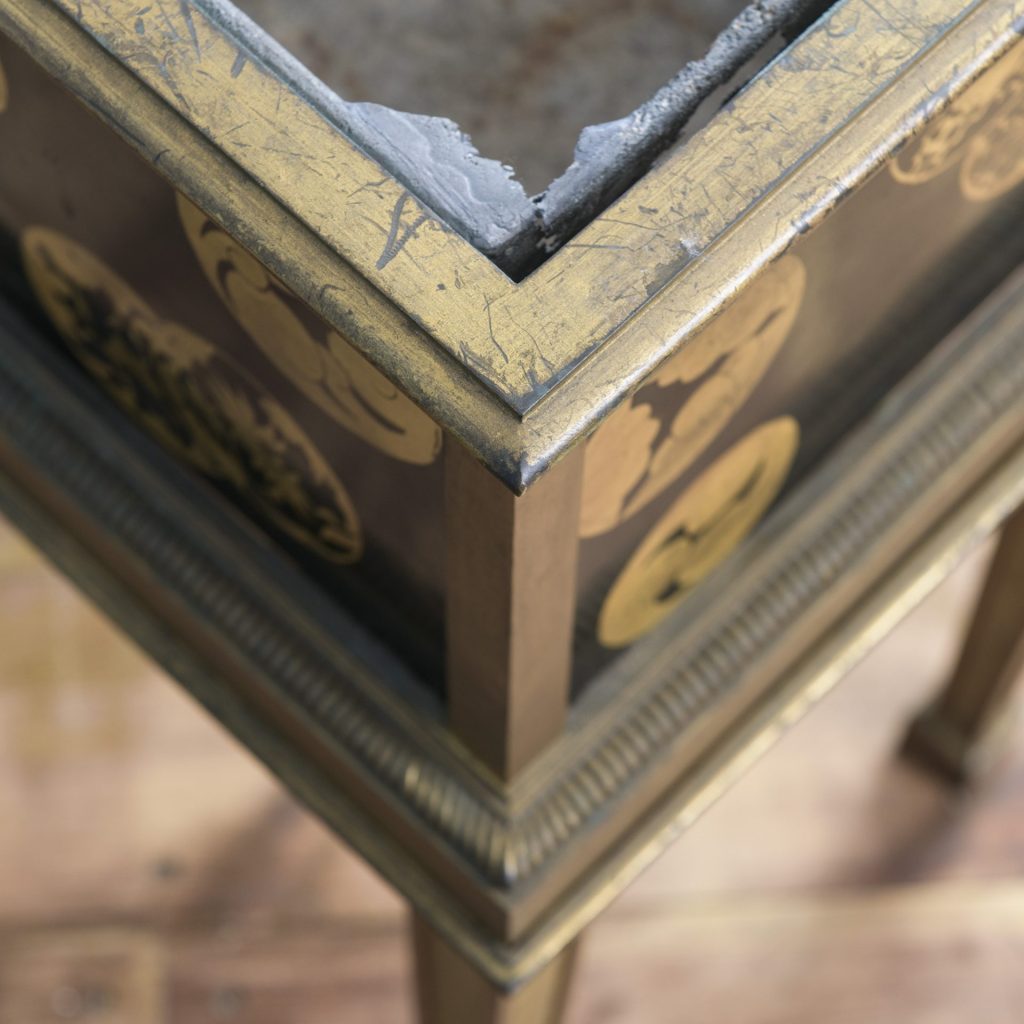
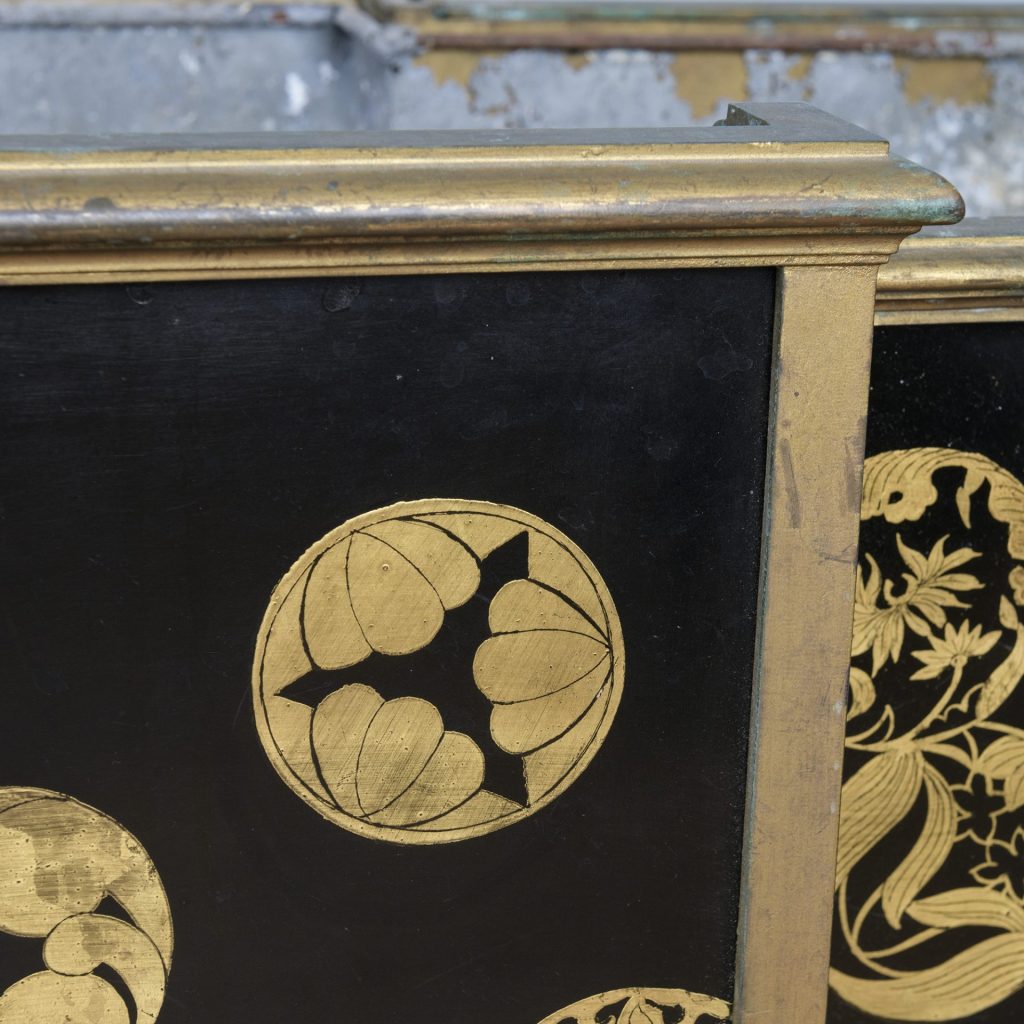
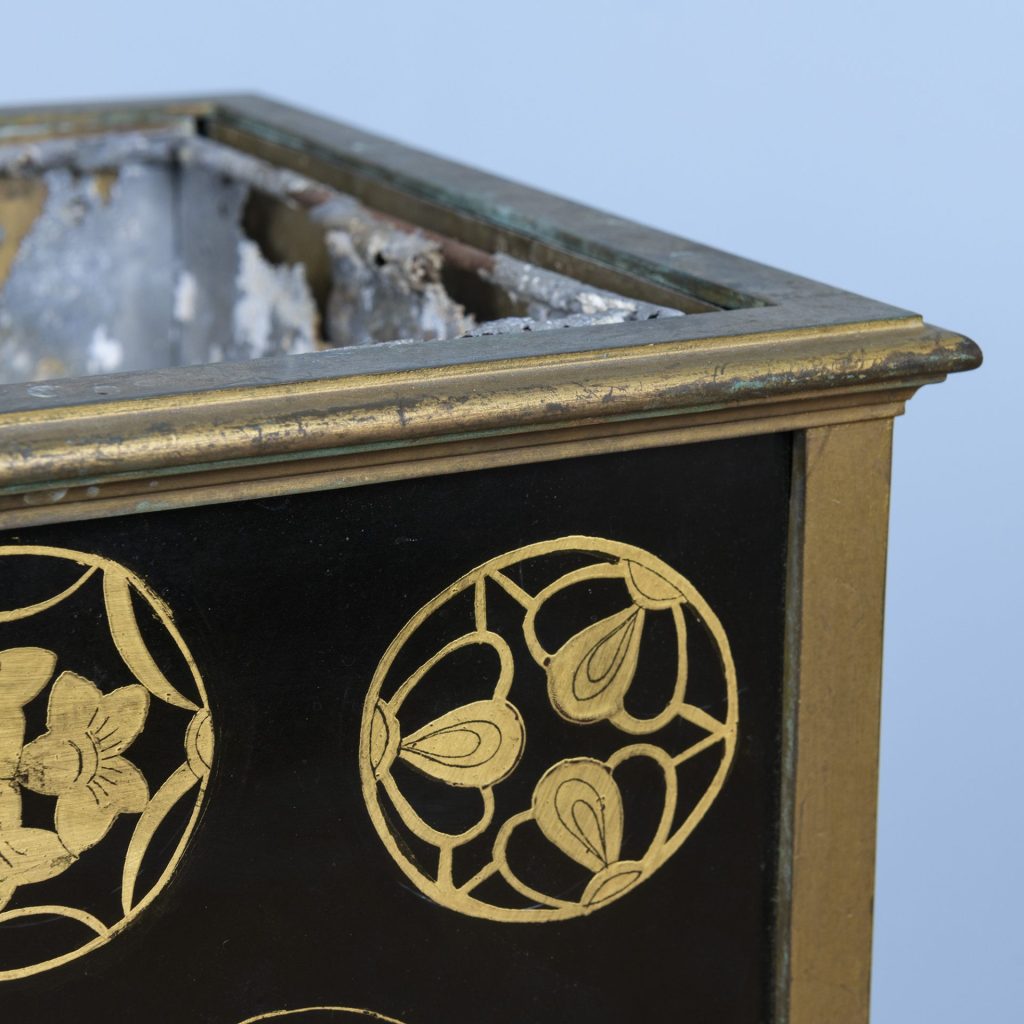
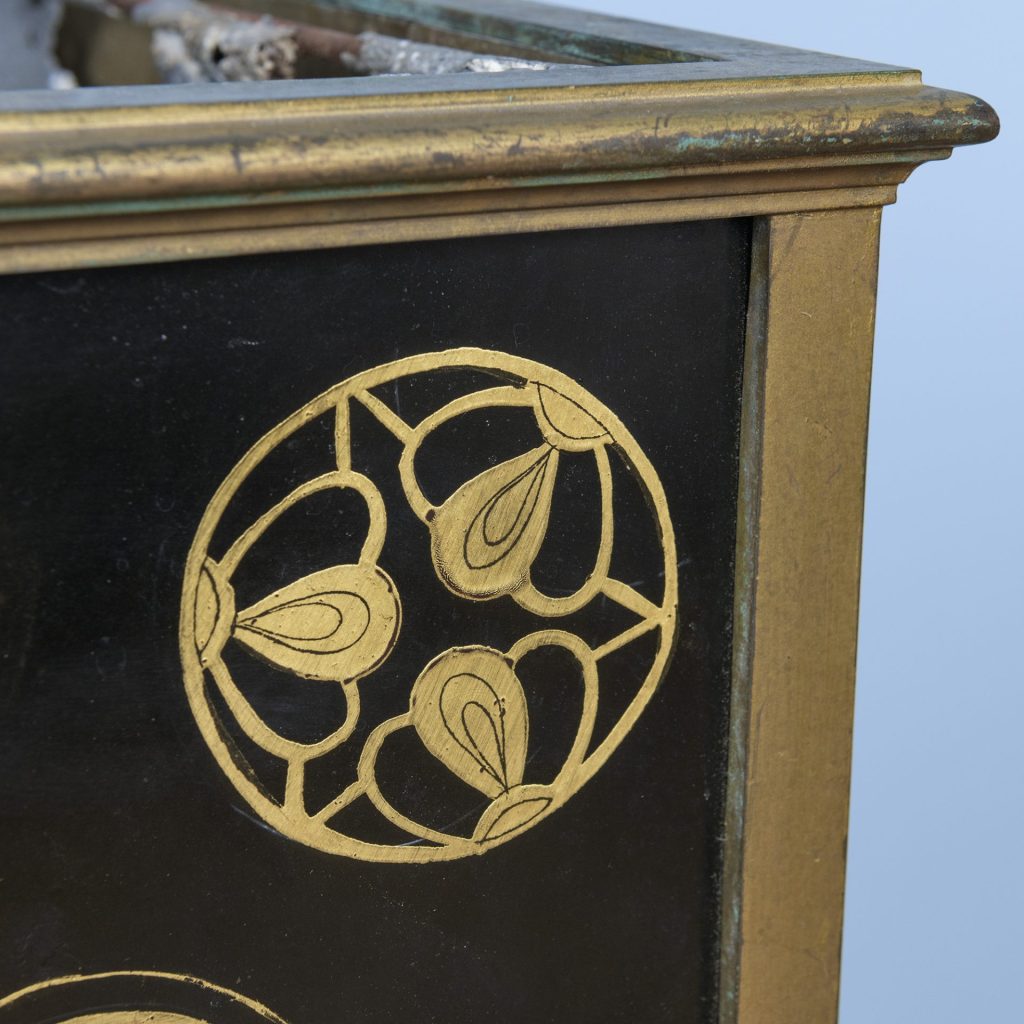
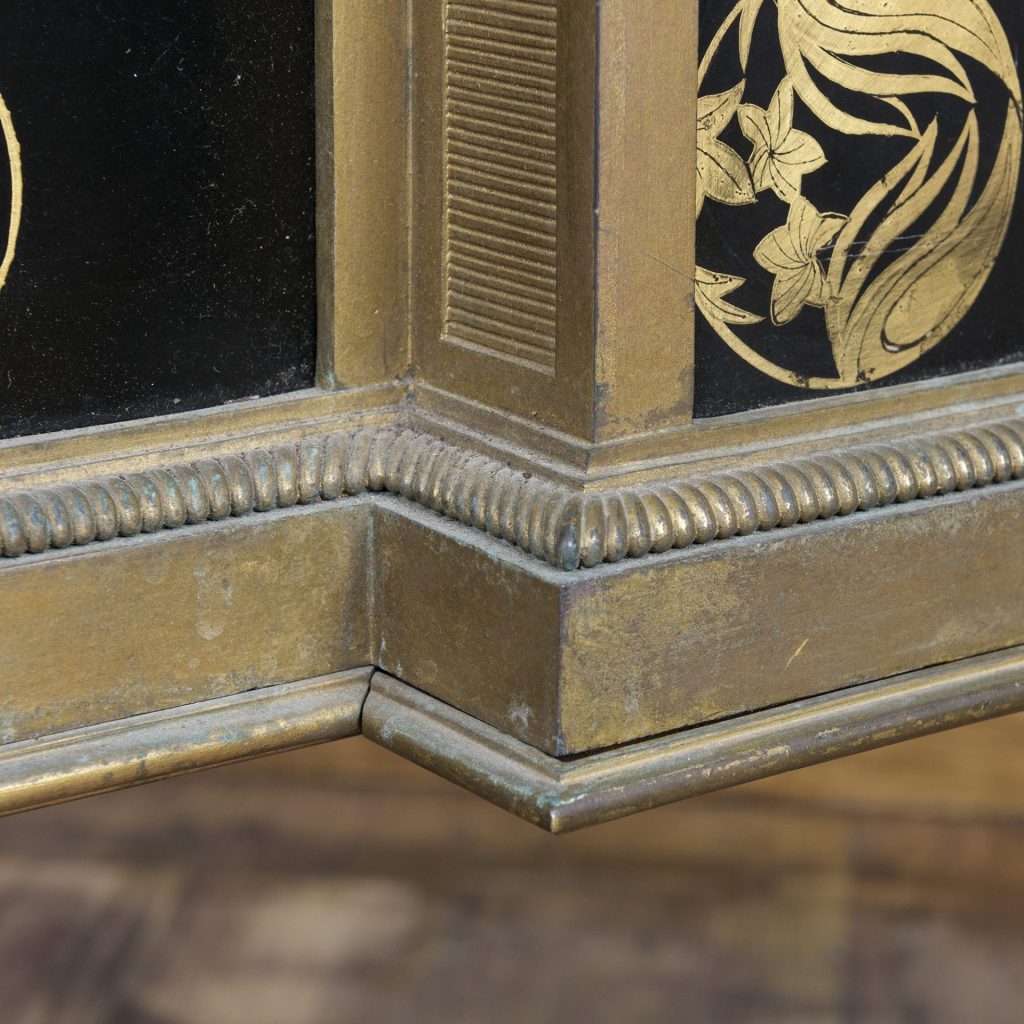
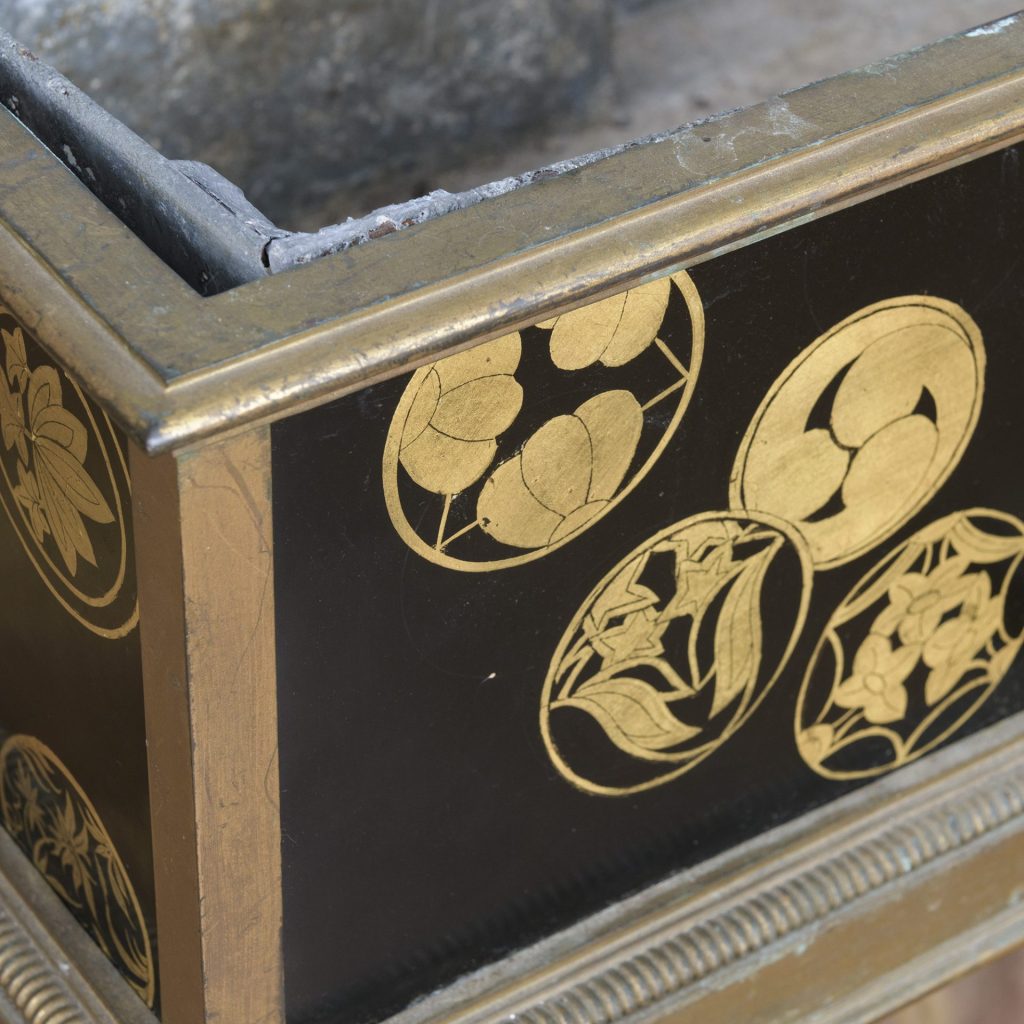
The jardinière is crafted in the Japonisme style and decorated with Japanese lacquer early Meiji period hiramaki-e panels.
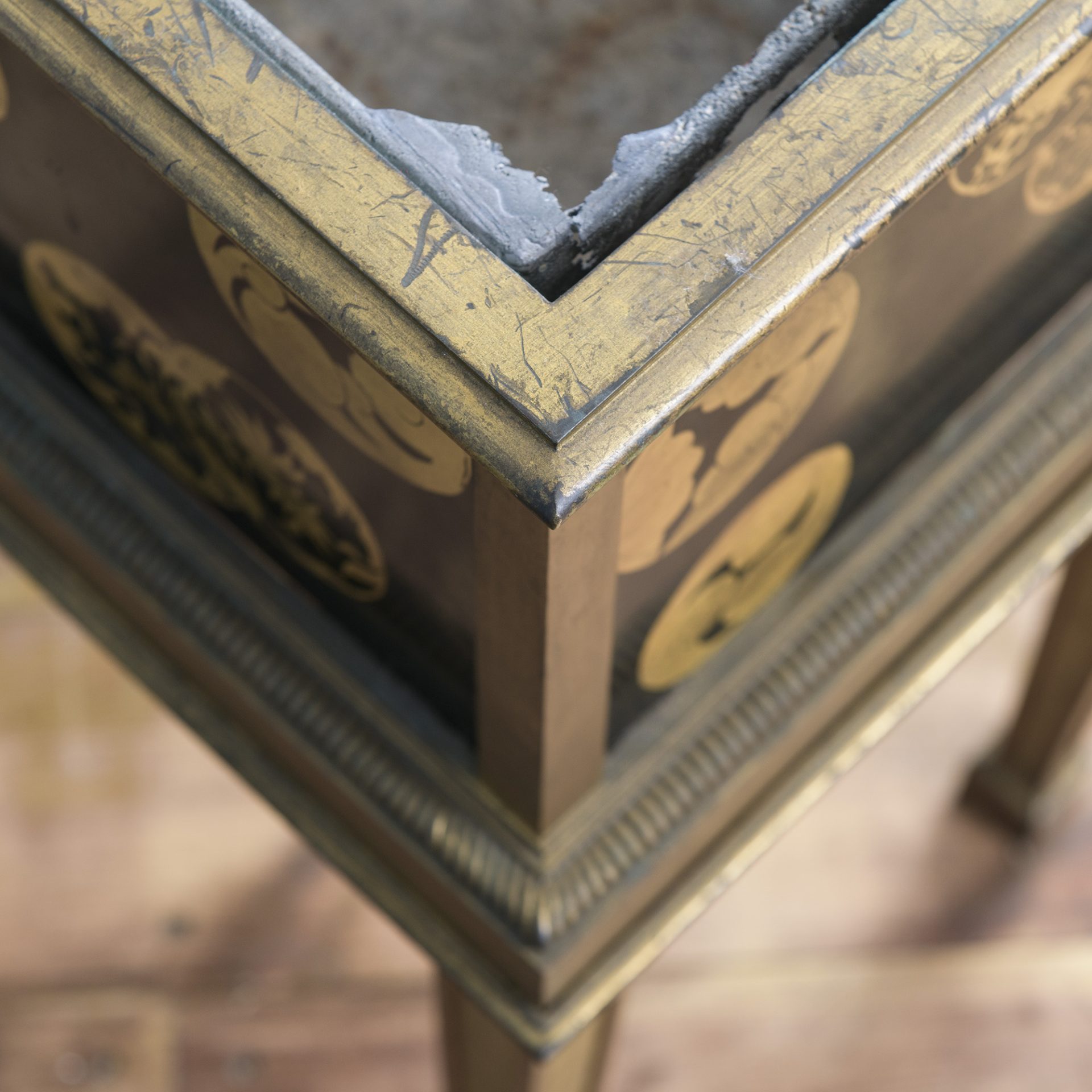
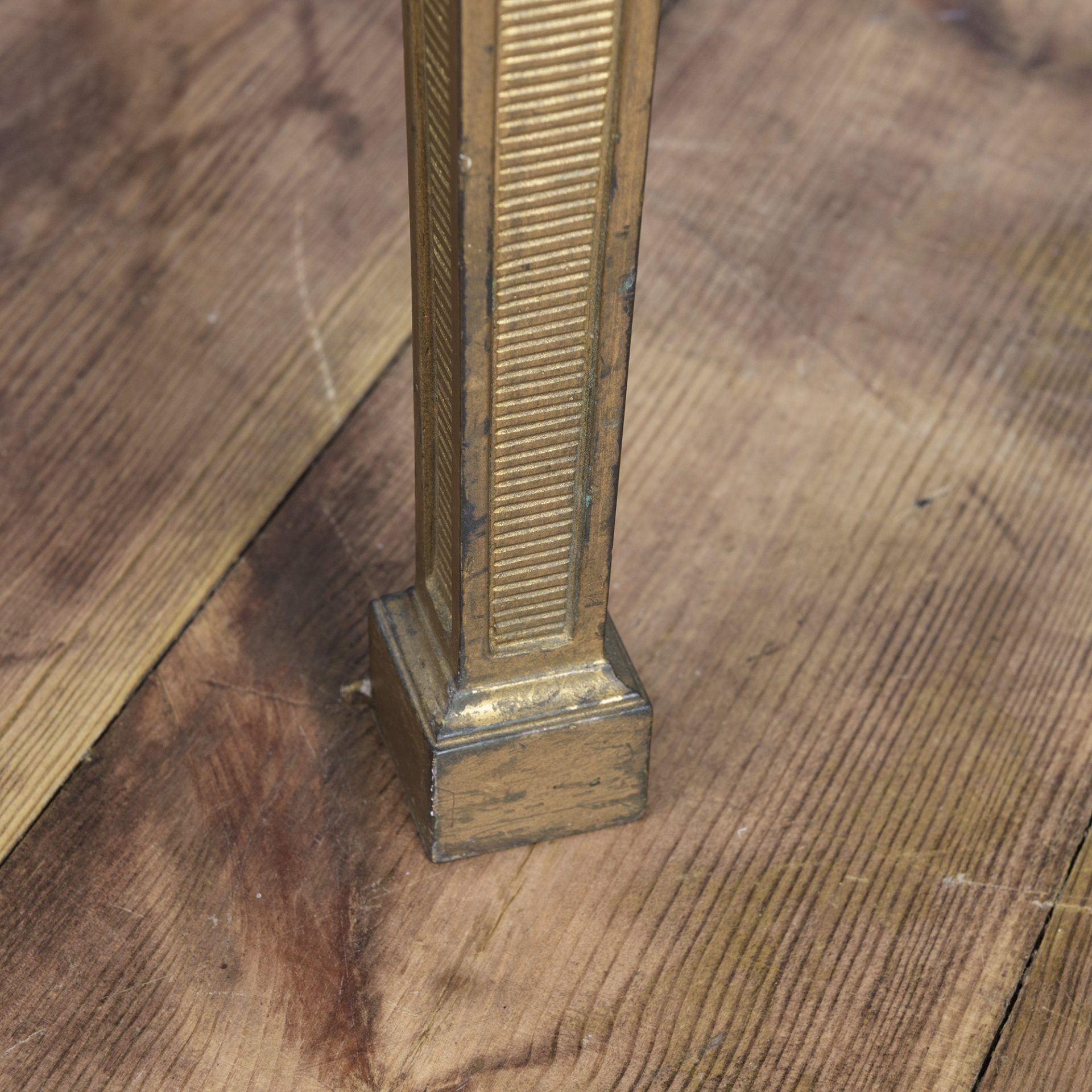
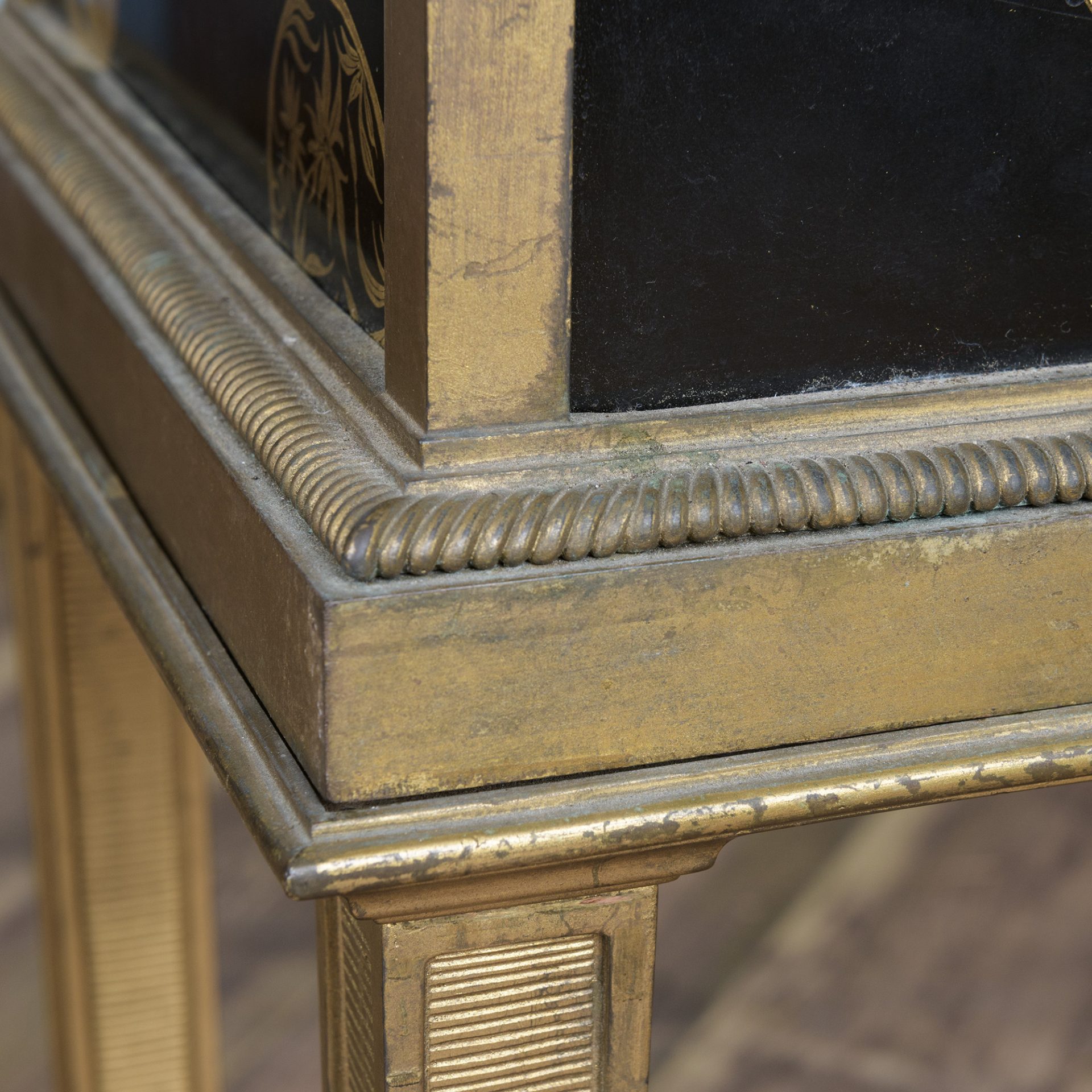
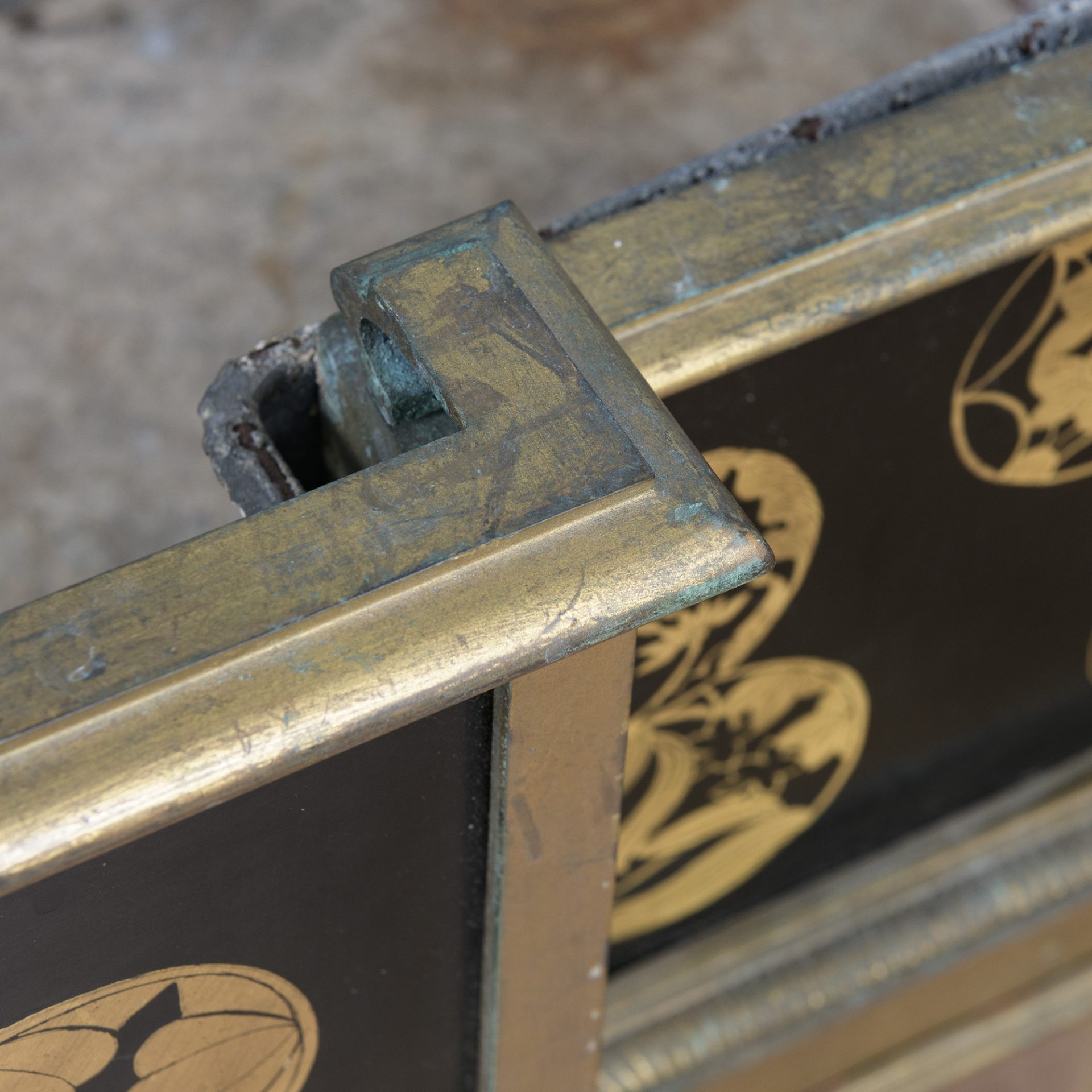
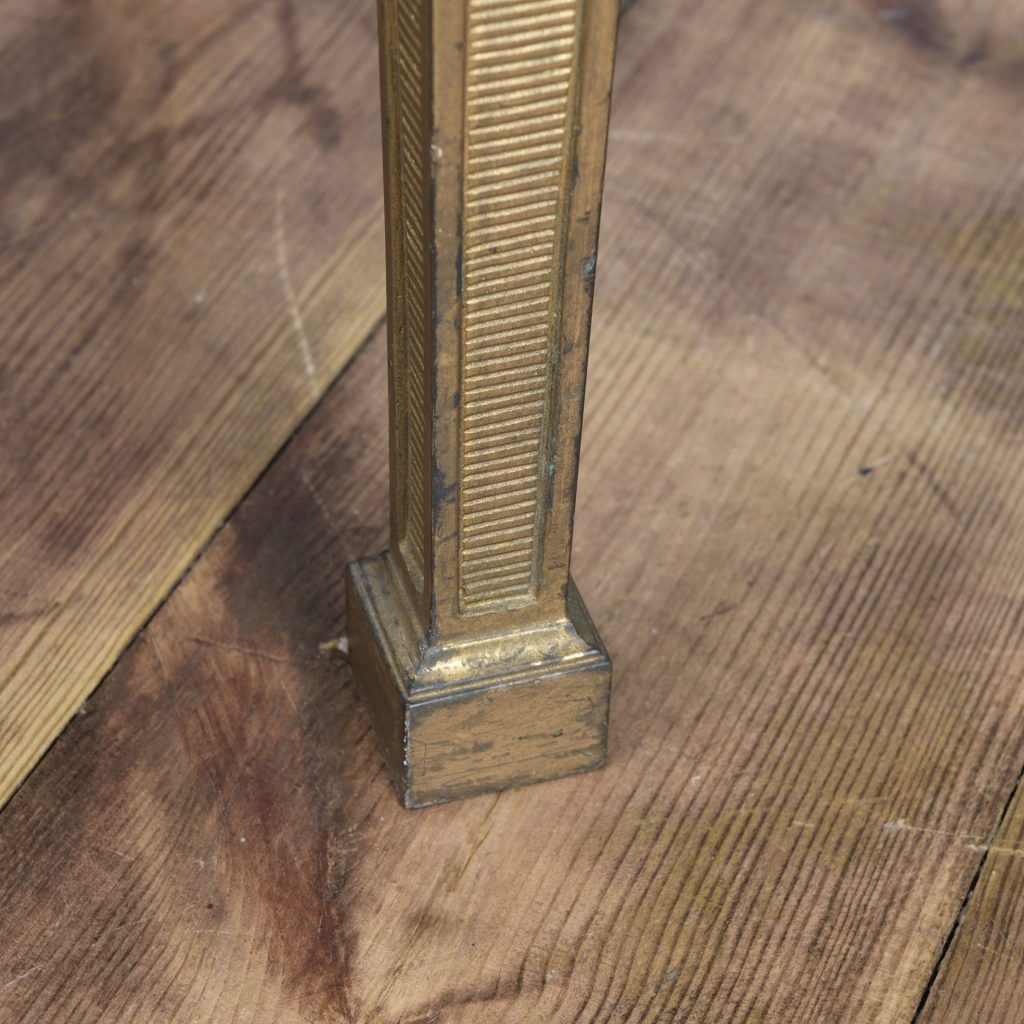
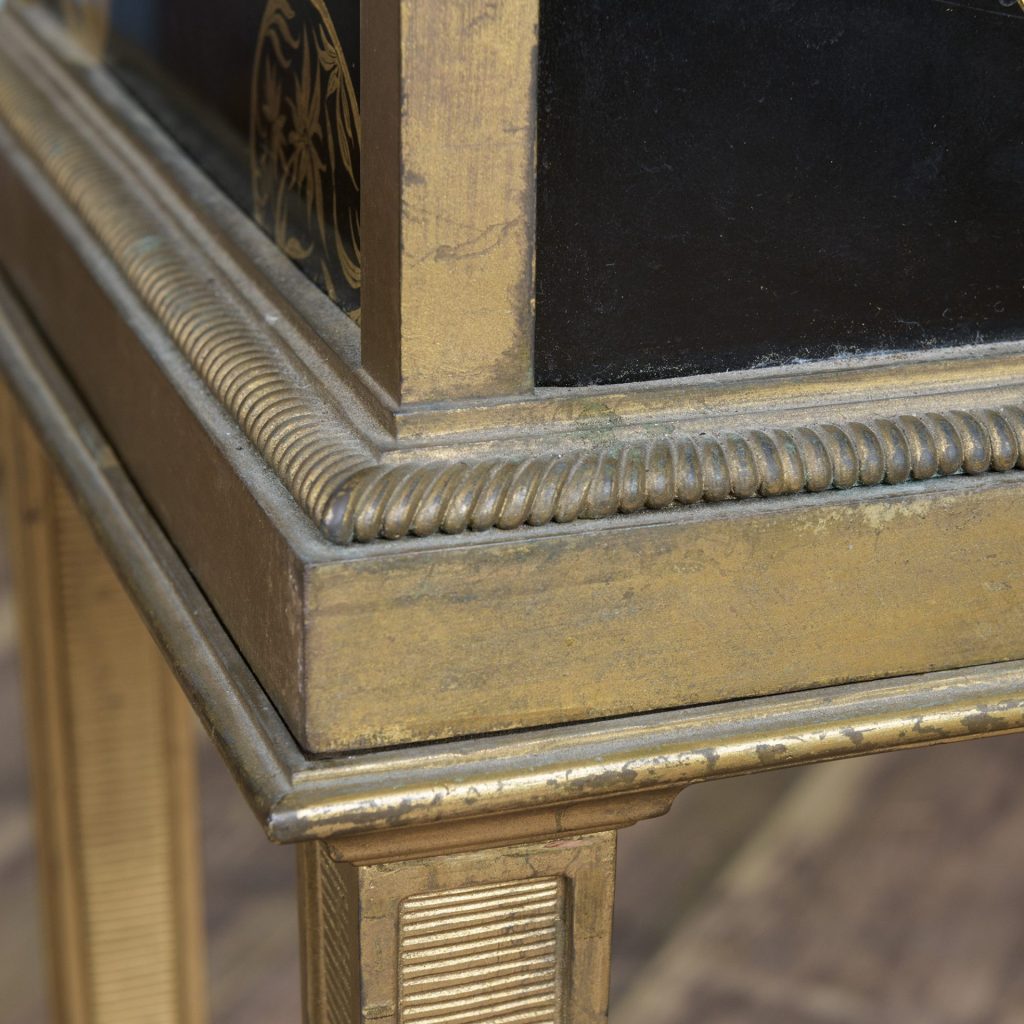
The top section is detachable and stands on a gadrooned moulding above four solid gilt brass tapered legs. The jardinière is robust and sturdy and is raised on inset panelled legs that terminate on block feet.
The Meiji period (1868–1912) was a transformative era in which Japan rapidly transitioned from an isolated feudal society into an industrialized, global power. Triggered by the Meiji Restoration, the country abolished the samurai class, modernized its military, and adopted Western parliamentary, educational, and economic structures to prevent colonization.
The term Japonisme was coined to describe the powerful fascination with Japanese art that occurred in the West in the 19th century after Japanese ports reopened to Western trade in 1854, having been closed to the West for over 200 years.
It was at the World’s Fair of 1867 that Parisians got their first glimpse of Japanese art at a formal exhibition, but by this time, fans, kimonos, silks and all varieties of ‘Oriental’ objects were already flooding into Europe, where they became very fashionable. One artist upon whom Japanese art had a significant influence — Claude Monet — said he first came across Japanese prints used as wrapping paper at a spice shop in The Netherlands, while James McNeill Whistler, also strongly influenced by Japanese art, saw them for the first time in a Chinese tearoom near London Bridge.
Condition
Retains its original finish, no re-touching or refinishing, plants are not included, just props!
Literature
Hiramaki-e panels are stunning works of Japanese lacquerware where intricate designs (like florals, landscapes, or mythological scenes) are drawn on a lacquered wooden board using gold and silver dust. The term literally translates to "flat sprinkled picture".
Dimensions
Height 67.00cm (26.38 inches)
Width 85.00cm (33.46 inches)
Depth 42.00cm (16.54 inches)
Stock No: 11843
£4,850.00
In-stockMake an Enquiry
If you'd like to negotiate on this item, please make your offer below and we'll get back to you.
Reserve Item
Request more images
© 2026 Freshfords Fine Antiques